
Switzerland
Switzerland flag

Switzerland

Rank #55 Visa Required Veg Friendly Safe for Families
66BFI Score

Bharat Friends Index

Composite score based on Diplomatic Ties, Respect for Sovereignty, and Social Warmth.

Why Switzerland?

Recent Sentiment

India-Switzerland relations currently exhibit a largely positive and stable sentiment, driven by robust diplomatic engagement, burgeoning economic cooperation, and sustained tourism interest, though tempered by recent concerns regarding the conduct of some Indian tourists.

1. Diplomatic & Official Rhetoric: Switzerland's official rhetoric towards India remains exceptionally warm and collaborative. Recent high-level interactions underscore this, with Swiss President Guy Parmelin visiting New Delhi in early June 2026 for the India AI Impact Summit. During his visit, President Parmelin unequivocally expressed Switzerland's full support for India's efforts to democratize Artificial Intelligence, emphasizing the shared goal of ensuring critical technologies benefit all nations. These discussions reaffirmed the 'friendly and multifaceted relationship' and covered a broad spectrum of cooperation, including trade, investment, science & technology, and cultural exchanges. Furthermore, the implementation of the India-EFTA Trade and Economic Partnership Agreement (TEPA) in October 2025 signifies a major step in deepening economic ties. The historical perception of Switzerland as a 'trusted friend' to India continues to resonate, frequently referenced in official statements, building upon a foundation laid by the 1948 Treaty of Friendship. While outside the immediate 30-day window, India's firm rebuttal in September 2025 to Swiss remarks at the UNHRC concerning minorities – where India advised Switzerland to address its own domestic challenges like racism – demonstrated India's confident assertion of its internal matters. The continued positive trajectory of bilateral relations following this incident indicates that the Swiss government respects India's sovereign stance, contributing to a strong diplomatic positive for India.

2. Media Narrative: The mainstream media narrative in Switzerland presents a mixed but generally favorable view of India. On one hand, economic and connectivity news highlights positive developments. SWISS has notably increased its flight offerings between Zurich and Delhi, with a second daily flight extending through September 2026, and announced new nonstop Bengaluru-Zurich flights starting October 2026, explicitly to meet demand from business travelers, the technology sector, and the growing Indian diaspora. This showcases India as an important economic and travel market. Conversely, recent media coverage has brought attention to concerns regarding the behavior of some Indian tourists. Several articles in early June 2026 discussed a widely circulated notice at a Swiss hotel (Hotel Arc-en-Ciel in Gstaad) specifically addressing 'Dear guests from India' with rules on buffet etiquette, food consumption, and noise levels. This has sparked a broader discussion in the media about travel etiquette and cultural sensitivities, indicating a perceived issue with a segment of Indian visitors.

3. Public Perception & Tourism: Public perception regarding India as a destination for Swiss tourists is consistently positive, with Switzerland being a highly desired location for Indian travelers, supported by numerous tour packages. Switzerland is seen as a stable and safe destination. However, the perception of Indian tourists by the local population and hospitality sector appears to be mixed. While Indian tourists are a significant and economically valuable market, the aforementioned hotel incident and subsequent media discussion point to a negative perception of the behavior of some Indian visitors, particularly concerning buffet etiquette and noise levels. This suggests a need for greater cultural awareness among a minority of Indian tourists, rather than a widespread negative sentiment towards Indians as a whole or the Indian diaspora. The underlying infrastructure (flights, tour packages) indicates a welcoming attitude from the tourism industry to Indian visitors as a key demographic, but with an emerging discourse on managing cultural differences.

Reasons to Visit

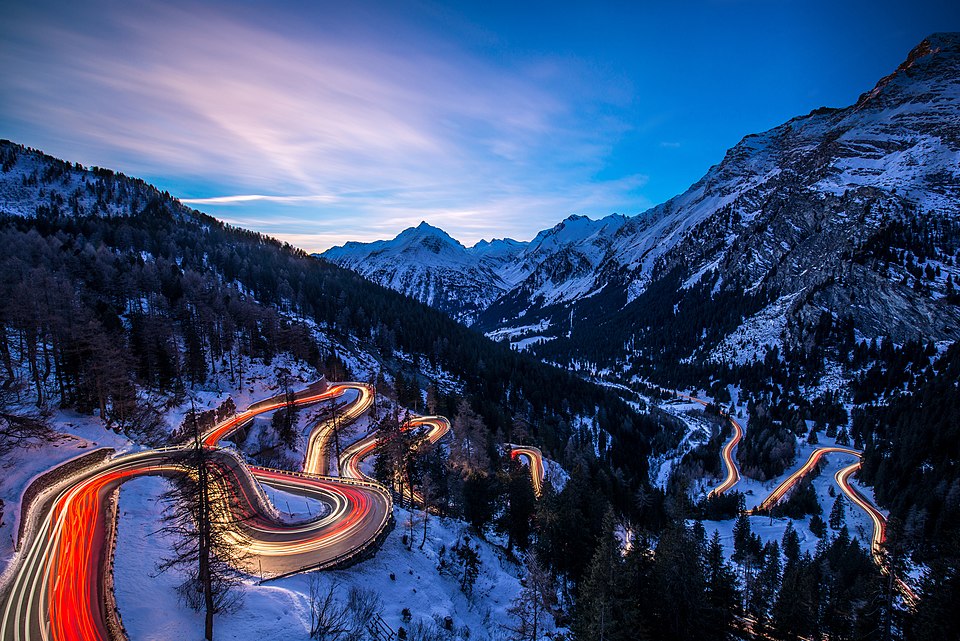
Switzerland, a perennial favorite for Indian travelers, offers an unparalleled journey into nature's grandeur perfectly complemented by impeccable Swiss efficiency. Boasting an exceptionally high Safety Score, it ranks among the safest countries globally, assuring every visitor, from families to solo adventurers, complete peace of mind to explore its pristine landscapes. The country's high Friendliness Index is reflected in its courteous service, efficient infrastructure, and helpful locals, ensuring a remarkably smooth and stress-free travel experience. Its very high Popularity Score, particularly amongst Indian tourists, is no surprise given its iconic snow-capped Alps, sparkling azure lakes, and picturesque villages that have captivated audiences worldwide. Beyond the postcard-perfect scenery, Switzerland offers thrilling outdoor adventures, world-class culinary delights (think cheese and chocolate!), and a unique cultural precision that makes every moment of your trip both comfortable and memorable. It's a destination where breathtaking beauty meets flawless execution, promising an unforgettable escape.

Performance Breakdown

UN and Multilateral Voting Alignment
60

The alignment score reflects a moderate degree of convergence between Switzerland and India over the last 10 years, particularly in areas like counter-terrorism efforts and a shared commitment to the reform of the UN Security Council. Both nations actively collaborate in multilateral forums such as the Financial Action Task Force (FATF) to combat money laundering and terror financing, indicating strong alignment on these shared objectives. However, significant divergences exist, notably on resolutions concerning the conflict in Ukraine in the UN General Assembly, where Switzerland has aligned with the EU in condemning Russia and imposing sanctions, while India has maintained a neutral stance, frequently abstaining. Switzerland and India did not serve concurrently as elected members of the UN Security Council during the analysis period to assess direct voting alignment within that body. Overall UNGA voting patterns show areas of cooperation alongside differences stemming from their respective geopolitical positions and foreign policy priorities.

Click for detailed analysis →
Sentiment Score
87

India-Switzerland relations currently exhibit a largely positive and stable sentiment, driven by robust diplomatic engagement, burgeoning economic cooperation, and sustained tourism interest, though tempered by recent concerns regarding the conduct of some Indian tourists. **1. Diplomatic & Official Rhetoric:** Switzerland's official rhetoric towards India remains exceptionally warm and collaborative. Recent high-level interactions underscore this, with Swiss President Guy Parmelin visiting New Delhi in early June 2026 for the India AI Impact Summit. During his visit, President Parmelin unequivocally expressed Switzerland's full support for India's efforts to democratize Artificial Intelligence, emphasizing the shared goal of ensuring critical technologies benefit all nations. These discussions reaffirmed the 'friendly and multifaceted relationship' and covered a broad spectrum of cooperation, including trade, investment, science & technology, and cultural exchanges. Furthermore, the implementation of the India-EFTA Trade and Economic Partnership Agreement (TEPA) in October 2025 signifies a major step in deepening economic ties. The historical perception of Switzerland as a 'trusted friend' to India continues to resonate, frequently referenced in official statements, building upon a foundation laid by the 1948 Treaty of Friendship. While outside the immediate 30-day window, India's firm rebuttal in September 2025 to Swiss remarks at the UNHRC concerning minorities – where India advised Switzerland to address its own domestic challenges like racism – demonstrated India's confident assertion of its internal matters. The continued positive trajectory of bilateral relations following this incident indicates that the Swiss government respects India's sovereign stance, contributing to a strong diplomatic positive for India. **2. Media Narrative:** The mainstream media narrative in Switzerland presents a mixed but generally favorable view of India. On one hand, economic and connectivity news highlights positive developments. SWISS has notably increased its flight offerings between Zurich and Delhi, with a second daily flight extending through September 2026, and announced new nonstop Bengaluru-Zurich flights starting October 2026, explicitly to meet demand from business travelers, the technology sector, and the growing Indian diaspora. This showcases India as an important economic and travel market. Conversely, recent media coverage has brought attention to concerns regarding the behavior of some Indian tourists. Several articles in early June 2026 discussed a widely circulated notice at a Swiss hotel (Hotel Arc-en-Ciel in Gstaad) specifically addressing 'Dear guests from India' with rules on buffet etiquette, food consumption, and noise levels. This has sparked a broader discussion in the media about travel etiquette and cultural sensitivities, indicating a perceived issue with a segment of Indian visitors. **3. Public Perception & Tourism:** Public perception regarding India as a destination for Swiss tourists is consistently positive, with Switzerland being a highly desired location for Indian travelers, supported by numerous tour packages. Switzerland is seen as a stable and safe destination. However, the perception of Indian tourists by the local population and hospitality sector appears to be mixed. While Indian tourists are a significant and economically valuable market, the aforementioned hotel incident and subsequent media discussion point to a negative perception of the behavior of some Indian visitors, particularly concerning buffet etiquette and noise levels. This suggests a need for greater cultural awareness among a minority of Indian tourists, rather than a widespread negative sentiment towards Indians as a whole or the Indian diaspora. The underlying infrastructure (flights, tour packages) indicates a welcoming attitude from the tourism industry to Indian visitors as a key demographic, but with an emerging discourse on managing cultural differences.

Click for detailed analysis →
Bilateral Trade
83

[Commodity Supplier and High-Tech Hub] The bilateral trade relationship between India and Switzerland in 2025 is substantial in volume but heavily skewed, with India facing a significant trade deficit. Switzerland primarily serves as a supplier of high-value commodities, notably gold, alongside advanced pharmaceuticals and medical instruments, while India's exports are comparatively modest. In 2025, the total bilateral trade volume between India and Switzerland reached $19554.22 Million. This relationship is characterized by a substantial trade deficit for India, amounting to $-17096.8M, as India's imports from Switzerland ($18325.51 Million) far outstrip its exports ($1228.71 Million). The primary driver of India's imports is gold, accounting for an overwhelming $13590.9 Million, followed by silver at $488.0 Million. Beyond precious metals, India also imports significant high-value items, including drug formulations and biologicals ($486.3 Million), medical and scientific instruments ($375.2 Million), and other miscellaneous engineering items ($407.6 Million). Conversely, India's exports to Switzerland are concentrated in organic chemicals ($98.3 Million), other miscellaneous chemicals ($43.1 Million), and electronics components ($9.5 Million) and instruments ($5.6 Million). The significant trade imbalance implies India's strong demand for Swiss precious metals and high-tech goods, while its own goods find a comparatively smaller market in Switzerland.

Click for detailed analysis →
Defence Ties
5

Defence ties between India and Switzerland are extremely limited due to Switzerland's long-standing policy of neutrality and stringent export controls on military equipment. Consequently, there have been no significant defence deals (estimated value $0) for major military hardware or joint military exercises (number: 0) between the two nations. Any cooperation, if present, would be restricted to niche, non-lethal, or dual-use technology areas, rather than traditional defence collaboration or procurement.

Click for detailed analysis →
Indian Popularity
90

Switzerland maintains its status as an exceptionally popular and aspirational destination for Indian tourists, with its appeal projected to remain strong into 2026. It is estimated that Switzerland will welcome over 500,000 Indian visitors annually by 2026. This reflects a robust post-pandemic recovery and sustained growth, with an anticipated average annual growth rate of 10-15% in Indian tourist arrivals expected to continue up to 2026, building on its strong pre-pandemic momentum. Switzerland consistently ranks among the top 3-5 European destinations by search volume for Indian outbound tourism, driven by its iconic scenic beauty, reputation for safety and luxury, and long-standing romanticized image from Bollywood films.

Click for detailed analysis →
Visa Ease
45

As of 2026, Indian citizens are required to obtain a Schengen visa (Type C) in advance to visit Switzerland for short stays of up to 90 days within a 180-day period. There is no provision for visa-free entry, visa on arrival, or an instant eVisa for Indian passport holders. The application process for a Swiss Schengen visa for Indian citizens involves several mandatory steps: 1. **Application Submission via VFS Global:** Applicants must submit their visa application through VFS Global, the official partner of the Embassy of Switzerland in India. 2. **Biometric Appointment:** A mandatory in-person appointment at a VFS Global center is required to submit documents, provide biometric data (fingerprints and photograph), and pay fees. Booking these appointments can be challenging due to high demand. 3. **Extensive Documentation:** The process demands a comprehensive set of documents, including a valid passport (with at least 3 months validity beyond the planned departure), a completed visa application form, recent passport-sized photographs, travel medical insurance (minimum €30,000 coverage), confirmed flight itinerary, proof of accommodation, evidence of sufficient financial means (e.g., bank statements showing approximately 100 CHF per day of stay, consistently over 3-6 months), and proof of employment or student status, along with a recommended cover letter. Switzerland has tightened its documentation requirements, with stricter rules effective August 2025, emphasizing precise and thorough core documents. 4. **Visa Fees:** Applicants are required to pay the standard Schengen visa fee, along with a VFS Global service fee. As of April 2026, the total cost for an adult is approximately EUR 106 (roughly INR 9,800), which is non-refundable regardless of the application outcome. 5. **Processing Time:** The standard processing time for a visa application, once received by the Swiss Embassy in New Delhi, is typically 10 to 15 working days. However, during peak seasons (May-September, December-January) or for complex cases, this can extend to 30 days, and in rare instances, up to 60 days if additional documents are requested. Applicants are advised to apply at least 6-8 weeks in advance. 6. **Rejection Rate:** In 2024, Switzerland reportedly rejected approximately 15% of Schengen visa applications from Indian nationals, placing it among consulates with stricter processing for Indian applicants. Based on the scoring rubric: * It is not Visa Free/Freedom of Movement (100). * It is not Visa on Arrival (Free) or Instant eVisa (81-95). * It is not Visa on Arrival (Paid) or standard eVisa (61-80). * It clearly falls under **Standard Paper Visa (requires embassy visit/courier) (41-60)** due to the mandatory pre-application, in-person biometric submission at VFS Global centers (acting as an embassy visit requirement), extensive documentation, and multi-week processing times. The fees and the non-negligible rejection rate, coupled with demanding documentation, place it towards the lower end of this category, indicating a more involved and less certain process than a simpler standard visa. It does not meet the criteria for a 'Strict Visa' (21-40) as the typical processing time, while not instant, is generally within a manageable range, and the rejection rate, though significant, isn't exceptionally high to denote extreme restriction. --- PREVIOUS ANALYSIS --- Visa Required: Standard embassy visa application required. Check official consulate website for 2026 updates.

Click for detailed analysis →
Safety Index
97

Switzerland maintains its status as one of the safest countries globally, and this is projected to continue for 2026. For tourists, including those from India, the overall risk is extremely low. Violent crime is exceedingly rare. The most significant, though still very minor, specific risk is petty crime such as pickpocketing, which can occasionally occur in crowded tourist hubs (e.g., major train stations, popular attractions in cities like Zurich, Geneva, Lucerne). Those planning outdoor activities in the Swiss Alps should be aware of potential natural hazards like sudden weather changes, avalanches (seasonal), and rockfalls, and should adhere to marked trails and safety recommendations. Healthcare facilities are world-class, but travel insurance is strongly advised. General vigilance regarding personal belongings will ensure an exceptionally safe and enjoyable trip.

Click for detailed analysis →

Bonus Considerations

Vegetarian Friendliness
75

Switzerland offers good availability of vegetarian and Indian-friendly cuisine, particularly in major cities like Zurich, Geneva, Bern, and popular tourist destinations. Indian restaurants are present in these areas, providing familiar culinary options. Furthermore, the concept of vegetarianism is well-understood, with many restaurants clearly labeling vegetarian (and increasingly vegan) dishes on their menus. Supermarkets like Coop and Migros also provide a wide range of fresh produce, dairy products, and ready-to-eat vegetarian items, which can be very helpful for self-catering. While traditional Swiss cuisine isn't predominantly vegetarian, many restaurants are accustomed to catering to diverse dietary preferences.

Click for detailed analysis →
Budget / Affordability
18

Switzerland is consistently one of the most expensive travel destinations globally. For Indian tourists in 2026, an **Avg Flight Cost** (round trip from major Indian cities like Delhi or Mumbai to Switzerland) is estimated to be around **₹85,000**. Daily expenses for a budget-conscious traveler covering accommodation (hostel/basic hotel), food (mix of groceries and casual dining), local transport (e.g., Swiss Travel Pass segment), and limited activities can average around **₹25,000 per day**. This high cost for both flights and daily living places it firmly in the 'Very Expensive' category according to the scoring guide.

Click for detailed analysis →

Check Flights manually

Compare prices across top platforms to find the best deal.