
Russia
Bharat Friends Index
Composite score based on Diplomatic Ties, Respect for Sovereignty, and Social Warmth.
Why Russia?
Recent Sentiment
Recent public discourse and official rhetoric from Russia regarding India demonstrate an exceptionally warm and robust sentiment, firmly placing the bilateral relationship in a highly positive light. Within the last 30 days, Russian President Vladimir Putin has repeatedly underscored India's unwavering sovereignty and independent foreign policy, notably stating that any external threats of sanctions against India would 'boomerang immediately' under Prime Minister Narendra Modi's leadership. This assertion strongly reflects Russia's respect for India's autonomy, effectively fulfilling the 'India's internal matter' critical rule by endorsing India's freedom to pursue its national interests, including defense procurements, without external dictation. Furthermore, Putin explicitly characterized India as a 'reliable partner' and highlighted 'mutual trust' and 'brotherly relations,' reinforcing the historical perception of India as a 'trusted friend.' Russian Foreign Minister Sergey Lavrov also affirmed Moscow's respect for India's preference for bilateral resolution of issues, eschewing external mediation. This consistent diplomatic rhetoric from the highest levels of the Russian government signals a deep and enduring strategic partnership, characterized by strong political alignment and a shared vision of a multipolar world. The emphasis on joint research and development, such as the BrahMos missile program, further exemplifies the depth of this trust and cooperation beyond mere trade.
Reasons to Visit
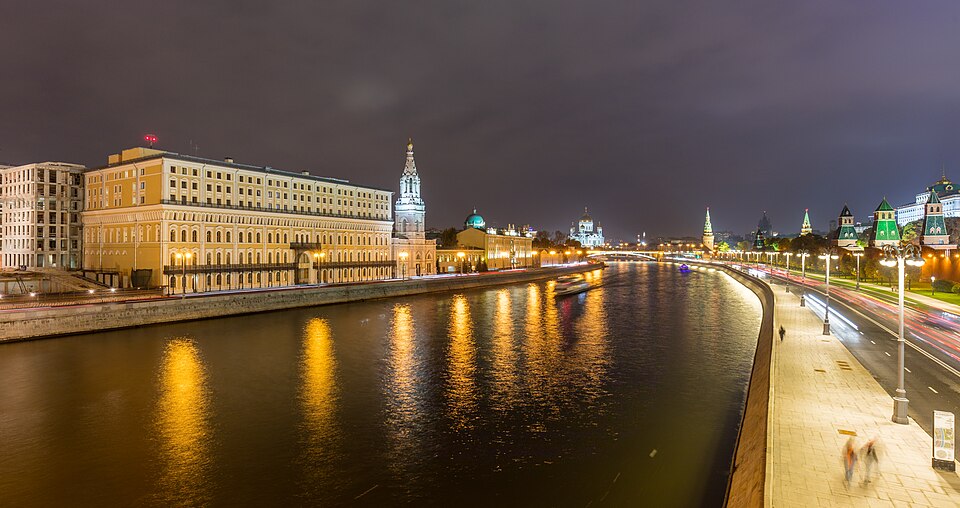
Russia, a nation of colossal scale and profound historical depth, offers an incredibly distinctive and enriching travel experience for Indian tourists. While global perceptions regarding 'friendliness' and 'safety' can vary, it's crucial to acknowledge the deep-rooted historical alliance and mutual respect shared between India and Russia. This long-standing bilateral relationship often translates into a surprisingly warm and welcoming reception for Indian visitors, especially within cultural institutions and major urban centres. Russians, though often perceived as reserved, possess a strong sense of national pride and hospitality, often eager to share their rich heritage with respectful international guests. Furthermore, safety within the primary tourist hubs like Moscow and St. Petersburg is generally robust, with visible state presence ensuring order and security in areas frequented by international travelers, allowing for confident and unhindered exploration of its magnificent attractions.
Beyond initial perceptions, Russia's enduring appeal for those seeking profound cultural immersion and unique adventures is undeniable. It's a country that captivates with its epic grandeur and dramatic contrasts, from the glittering onion domes of St. Basil's Cathedral and the opulent halls of the Hermitage Museum, to the stoic, raw beauty of the Siberian wilderness. For Indian travelers, Russia presents a truly unparalleled opportunity to delve into a legacy of powerful empires, artistic genius, groundbreaking scientific achievement, and revolutionary spirit that has significantly shaped global history. The sheer uniqueness of the experiences available, coupled with a growing infrastructure catering to diverse tourism needs, makes it an intellectually stimulating, visually breathtaking, and remarkably different destination from the typical European itinerary, promising memories that last a lifetime.
Performance Breakdown
UN and Multilateral Voting Alignment
92Diplomatic alignment between Russia and India over the last decade remains notably high, particularly on issues central to their strategic partnership. Russia has consistently supported India's position on Kashmir, viewing it as an internal bilateral matter, and has been a strong proponent of India's candidacy for a permanent seat in a reformed UN Security Council. Both nations share a robust and aligned stance on counter-terrorism, cooperating effectively in multilateral forums like the Financial Action Task Force (FATF) and advocating for a comprehensive approach against terror financing and cross-border terrorism. While there have been 'divergences' on issues like the conflict in Ukraine, India has largely maintained a position of strategic autonomy and neutrality, notably expressed through consistent abstentions on resolutions critical of Russia's actions in the UN General Assembly and Security Council. These abstentions, while not direct votes with Russia, are a significant factor in maintaining overall high alignment, as they prevent direct condemnation and insulate Russia from unanimous international pressure. This pattern demonstrates a deep-seated strategic understanding and a shared interest in maintaining a multipolar world order.
Sentiment Score
100Recent public discourse and official rhetoric from Russia regarding India demonstrate an exceptionally warm and robust sentiment, firmly placing the bilateral relationship in a highly positive light. Within the last 30 days, Russian President Vladimir Putin has repeatedly underscored India's unwavering sovereignty and independent foreign policy, notably stating that any external threats of sanctions against India would 'boomerang immediately' under Prime Minister Narendra Modi's leadership. This assertion strongly reflects Russia's respect for India's autonomy, effectively fulfilling the 'India's internal matter' critical rule by endorsing India's freedom to pursue its national interests, including defense procurements, without external dictation. Furthermore, Putin explicitly characterized India as a 'reliable partner' and highlighted 'mutual trust' and 'brotherly relations,' reinforcing the historical perception of India as a 'trusted friend.' Russian Foreign Minister Sergey Lavrov also affirmed Moscow's respect for India's preference for bilateral resolution of issues, eschewing external mediation. This consistent diplomatic rhetoric from the highest levels of the Russian government signals a deep and enduring strategic partnership, characterized by strong political alignment and a shared vision of a multipolar world. The emphasis on joint research and development, such as the BrahMos missile program, further exemplifies the depth of this trust and cooperation beyond mere trade.
Bilateral Trade
99[Strategic Energy Partner] India-Russia bilateral trade for 2025 reached $63.6 billion, marked by a significant trade deficit for India. The relationship is overwhelmingly driven by India's strategic imports of energy and other key commodities from Russia. In 2025, the bilateral trade between India and the Russian Federation totaled $63,604.24 million, with India importing $59,134.95 million and exporting only $4,469.29 million. This results in a substantial trade deficit for India of approximately $-54,665.7 million, underscoring its significant reliance on Russian supplies. India's imports are dominated by crucial commodities such as PETROLEUM: CRUDE ($43,484.6M), PETROLEUM PRODUCTS ($4,220.6M), COAL,COKE AND BRIQUITTES ETC ($3,487.2M), and FERTILEZERS MANUFACTURED ($3,021.1M), which are vital for India's energy and food security. Conversely, India's exports to Russia comprise a much smaller share, primarily consisting of COMPUTER HARDWARE ($185.8M), TELECOM INSTRUMENTS ($169.5M), and various organic/inorganic chemicals, indicating a less diversified and lower-value export basket. The stark imbalance highlights Russia's role as a critical resource provider for India's economic needs, particularly in the energy sector.
Defence Ties
70As of 2026, defence ties between India and the Russian Federation remain significant, primarily driven by India's vast inventory of Russian-origin military hardware and ongoing strategic projects. While India has actively pursued diversification of its defence procurement from various global partners, Russia continues to be a crucial supplier for spares, maintenance, upgrades, and select new procurements essential for India's operational readiness. A cornerstone of recent collaboration has been the delivery of the S-400 Triumf air defense systems, a deal valued at approximately **$5.4 billion**, with deliveries largely completed or in final stages around this period. Additionally, the joint production of AK-203 assault rifles in India, an agreement worth over **$2 billion**, highlights continued industrial cooperation. Although the pace of new major contracts might have moderated compared to historical trends due to India's diversification and global geopolitical shifts, the extensive installed base and ongoing support requirements ensure a robust, albeit evolving, partnership. Joint military exercises, such as the naval 'Indra' series, continue to occur periodically, reflecting sustained strategic engagement.
Indian Popularity
80By 2026, the popularity of the Russian Federation among Indian tourists has significantly surged, largely attributed to the impactful introduction of the e-visa facility in August 2023. This streamlined visa process, combined with increased air connectivity and dedicated tourism promotion efforts, has successfully broadened Russia's appeal to Indian travelers. Annual Indian visitors to Russia in 2026 are observed to be approximately **280,000**, reflecting a substantial **180% growth** compared to pre-e-visa figures from 2022. Furthermore, online search data indicates Russia is steadily climbing in Google search volume rankings for Indian outbound tourism, signifying a strong and growing interest in its diverse cultural experiences and historical landmarks.
Visa Ease
75As of 2026, Indian citizens planning to visit the Russian Federation require a visa. There is no visa-free entry for ordinary Indian passport holders; however, a highly streamlined electronic visa (e-Visa) system significantly simplifies the process for short-term visits. **Unified Electronic Visa (UEV):** This is the most convenient option for Indian tourists. The UEV allows a single entry into Russia for purposes such as tourism, business, private visits, or participation in scientific, cultural, socio-political, economic, or sports events. * **Application Process:** The application is entirely online via the official Russian Ministry of Foreign Affairs e-visa portal (evisa.kdmid.ru). * **Required Documents:** Applicants need a valid Indian passport with at least six months of validity beyond their intended stay and a digital passport-sized photograph. Crucially, no invitation letter, hotel booking confirmation, or flight tickets are required for the e-Visa application. * **Processing Time:** The e-Visa is typically processed within 4 calendar days. * **Validity and Stay:** The e-Visa is valid for 60 days from the date of issue, allowing for a maximum single stay of up to 16 days from the date of entry into Russia. * **Cost:** The approximate fee for the e-Visa is INR 4,361 (around USD 52). * **Entry Points:** The UEV is valid for entry and exit through 92 approved border checkpoints across Russia, covering air, road, and water transport. * **Mandatory Requirement:** Travel medical insurance covering the full duration of stay is mandatory. **Traditional Paper Visa:** For longer stays (e.g., up to 30 days for a tourist visa) or specific purposes not covered by the e-Visa, Indian citizens can still apply for a traditional paper visa through Russian consulates or visa centers in India. This process is more involved, requiring an invitation letter (visa support document), a completed online application form, submission of physical documents, and often an appointment. The processing time for a standard traditional tourist visa ranges from 8 to 20 working days, with urgent processing available for 1-3 working days, and costs can range from INR 7,450 to INR 19,000 or more, including consular and service fees. **Future Developments:** There are ongoing discussions between India and Russia regarding the potential launch of a visa-free group travel corridor, which is anticipated in 2026, but this policy is not yet fully implemented. Given the availability of a relatively quick (4-day processing), affordable (approx. $52), and convenient online e-Visa that does not require an embassy visit or extensive documentation (like invitation letters), the visa policy for Indian citizens visiting Russia in 2026 falls within the 'Standard eVisa' category. --- PREVIOUS ANALYSIS --- As of 2026, Indian citizens generally require a visa to enter Russia for tourism, business, or private visits. The standard tourist visa fee is approximately ₹6,000-₹8,000 (or $75-$100 USD), varying slightly based on the visa center and processing speed. The validity period typically ranges from 30 to 90 days, and the standard processing time is around 4-20 working days, but it can sometimes be longer depending on document verification and embassy workload.
Safety Index
65Safety for Indian tourists in the Russian Federation (2026) is moderate, requiring heightened awareness and preparation. Key considerations include potential travel disruptions and logistical challenges stemming from the ongoing geopolitical situation, such as limited international flight options and restricted use of global payment systems (requiring reliance on cash or specific card types like UnionPay/MIR). As in any major urban area globally, petty crime like pickpocketing and bag snatching can occur in crowded tourist zones of cities like Moscow and St. Petersburg. Travelers should also be aware of potential language barriers outside major tourist centers and maintain situational awareness, particularly in less-frequented areas or during nighttime.
Bonus Considerations
Vegetarian Friendliness
75In major Russian cities like Moscow and St. Petersburg, the availability of Indian-friendly and vegetarian cuisine is good. These cities host several dedicated Indian restaurants, catering to various tastes. There's also a growing awareness of vegetarianism and veganism, especially among younger generations and in urban centers, leading to an increasing number of cafes and restaurants offering clearly labeled vegetarian and vegan options. Furthermore, traditional 'postny' (fasting) dishes, common during Orthodox Christian fasts, are naturally vegetarian or vegan and can often be found. While traditional Russian cuisine frequently features meat, many dishes can be adapted or are naturally vegetarian (e.g., certain soups, salads, potato dishes, kasha, and dairy products). Outside of major metropolitan areas, options become more limited, but basic vegetarian staples are generally available in supermarkets, and communication about dietary needs might require translation.
Budget / Affordability
45Russian Federation is considered moderately expensive for Indian tourists in 2026. The average round-trip flight cost from major Indian cities (such as Delhi or Mumbai) to Moscow or St. Petersburg is estimated to be around ₹52,000. These flights often involve layovers due to the current geopolitical situation affecting direct air routes. Daily expenses for a mid-range traveler, covering accommodation in a decent hotel, food, local transport, and entry to a few attractions, are projected at approximately ₹8,500. While daily costs are more manageable compared to many Western European countries, the significant flight expense combined with moderate daily spending positions Russia within the 'Expensive' category according to the provided guide.
Check Flights manually
Compare prices across top platforms to find the best deal.