

Poland
Bharat Friends Index
Diplomatic Ties & Social Warmth
Why Poland?
Recent Sentiment
India-Poland relations currently demonstrate a predominantly positive and stable trajectory, with strong emphasis on strategic partnership and burgeoning cooperation across multiple sectors. Diplomatic and official rhetoric from Poland consistently highlights the importance of India as a key global partner. The establishment of a 'Strategic Partnership' in August 2024, during Prime Minister Narendra Modi's visit to Poland for the 70th anniversary of diplomatic relations, marked a significant upgrade in bilateral ties, emphasizing shared values of democracy, freedom, and a rules-based international order. This commitment was further reaffirmed in July 2026, when both nations reiterated their dedication to strengthening cooperation in political engagement, trade, investment, technology, defense, culture, and counter-terrorism. Polish officials, such as Secretary of State Władysław Teofil Bartoszewski, have publicly expressed a desire for deeper ties, particularly in people-to-people relations, and lauded India's impressive economic growth and technological ambitions. The enduring historical bond, rooted in India's compassionate asylum offered to Polish refugees during World War II, continues to be a cherished aspect, with the 'Good Maharaja' narrative serving as a powerful symbol of a 'trusted friendship'. While a brief diplomatic friction occurred in January 2026 regarding Poland's engagement with Pakistan and India's ties with Russia, it appears to have been an isolated incident addressed through direct dialogue and has not fundamentally altered the positive trajectory of the overarching strategic relationship.
Mainstream Polish media generally portrays India positively, particularly in economic contexts. News outlets frequently cover India's status as a rapidly growing economy and highlight the vast opportunities for increased trade, investment, and technological collaboration with Poland. The signing of the EU-India free trade agreement is also viewed as a significant development, promising substantial economic benefits for Poland. However, some media discussions surrounding a proposed social security agreement with India have introduced a mildly mixed tone, with concerns raised about the potential fiscal implications of extending Polish pension rights to a large number of Indian workers.
Public perception regarding India and Indian nationals in Poland presents a more nuanced picture. The Indian diaspora in Poland is growing, with estimates suggesting around 35,000 individuals by 2025, and is increasingly recognized for its positive contributions to Poland's economic development, particularly in sectors like IT, and for promoting Indian culture. This positive perception of the diaspora is contrasted by some highly negative individual accounts from Polish tourists describing their experiences in India, citing issues such as scams, aggressive touts, and feelings of unsafety. These narratives, while present, are often challenged by Poles living in India who strive to debunk prevalent negative stereotypes. Overall, the robust diplomatic engagement, strategic partnership, positive economic outlook in media, and the acknowledged historical friendship outweigh the mixed individual tourist perceptions, positioning the relationship as strongly positive and stable.
Reasons to Visit
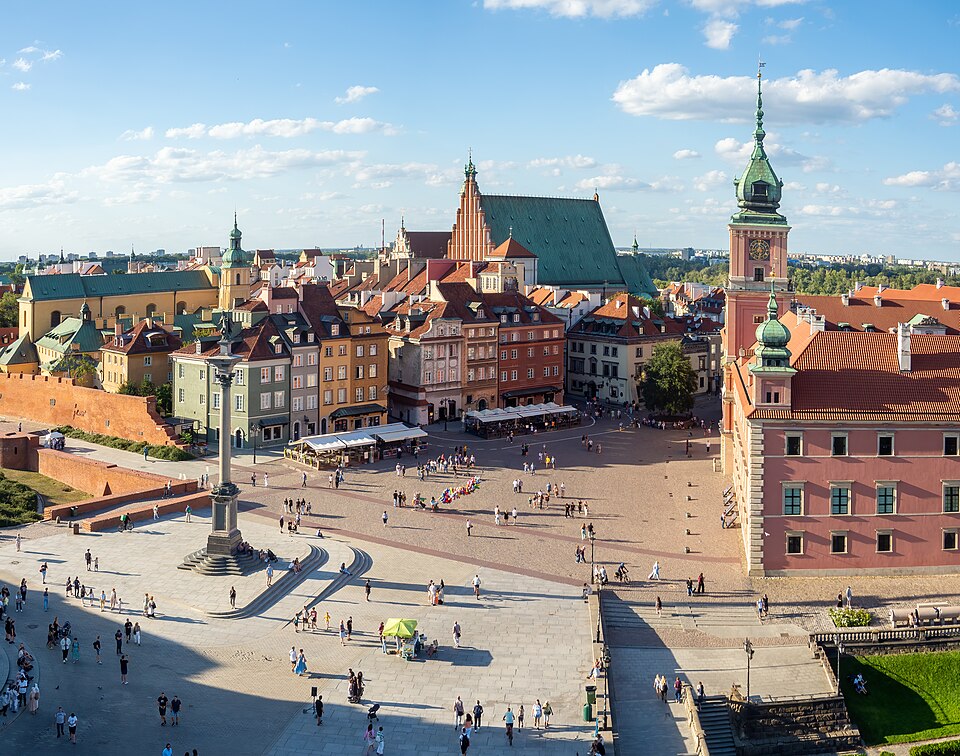
Poland is an enchanting destination that offers Indian tourists a captivating blend of rich history, vibrant culture, and stunning natural beauty, all while providing exceptional value. With a remarkably high Safety Score and a genuinely Friendly Index, visitors can explore its charming cities and picturesque landscapes with complete peace of mind, feeling warmly welcomed by its hospitable people. While its Popularity Score is steadily growing, Poland remains somewhat of an off-the-beaten-path European gem, meaning you can experience its wonders without the overwhelming crowds found in more established destinations. From its meticulously rebuilt capital, Warsaw, to the medieval splendor of Kraków, Poland invites you to delve into centuries of captivating stories, marvel at architectural masterpieces, and indulge in delicious, hearty cuisine (with growing options for diverse dietary needs). It's an ideal choice for those seeking an immersive cultural experience, historical depth, and breathtaking scenery, all wrapped in an affordable and incredibly safe package.
Performance Breakdown
UN and Multilateral Voting Alignment
57Diplomatic alignment between Poland and India over the last decade shows a mixed pattern. Strong alignment is observed on issues such as combating terrorism and adhering to financial integrity standards (FATF). On Kashmir, Poland has generally maintained a neutral stance, avoiding direct challenges to India's position. However, significant divergences exist on key geopolitical and institutional matters. Regarding the conflict in Ukraine, Poland strongly condemns Russia's aggression and actively supports Ukraine, aligning with EU and NATO positions, while India has maintained a more neutral stance, emphasizing peaceful resolution and abstaining on several critical UN General Assembly resolutions. On UNSC reform, Poland's stance, often aligning with the Uniting for Consensus (UfC) group, advocates for an increase in non-permanent seats and differs from India's pursuit of permanent membership.
Sentiment Score
100India-Poland relations currently demonstrate a predominantly positive and stable trajectory, with strong emphasis on strategic partnership and burgeoning cooperation across multiple sectors. Diplomatic and official rhetoric from Poland consistently highlights the importance of India as a key global partner. The establishment of a 'Strategic Partnership' in August 2024, during Prime Minister Narendra Modi's visit to Poland for the 70th anniversary of diplomatic relations, marked a significant upgrade in bilateral ties, emphasizing shared values of democracy, freedom, and a rules-based international order. This commitment was further reaffirmed in July 2026, when both nations reiterated their dedication to strengthening cooperation in political engagement, trade, investment, technology, defense, culture, and counter-terrorism. Polish officials, such as Secretary of State Władysław Teofil Bartoszewski, have publicly expressed a desire for deeper ties, particularly in people-to-people relations, and lauded India's impressive economic growth and technological ambitions. The enduring historical bond, rooted in India's compassionate asylum offered to Polish refugees during World War II, continues to be a cherished aspect, with the 'Good Maharaja' narrative serving as a powerful symbol of a 'trusted friendship'. While a brief diplomatic friction occurred in January 2026 regarding Poland's engagement with Pakistan and India's ties with Russia, it appears to have been an isolated incident addressed through direct dialogue and has not fundamentally altered the positive trajectory of the overarching strategic relationship. Mainstream Polish media generally portrays India positively, particularly in economic contexts. News outlets frequently cover India's status as a rapidly growing economy and highlight the vast opportunities for increased trade, investment, and technological collaboration with Poland. The signing of the EU-India free trade agreement is also viewed as a significant development, promising substantial economic benefits for Poland. However, some media discussions surrounding a proposed social security agreement with India have introduced a mildly mixed tone, with concerns raised about the potential fiscal implications of extending Polish pension rights to a large number of Indian workers. Public perception regarding India and Indian nationals in Poland presents a more nuanced picture. The Indian diaspora in Poland is growing, with estimates suggesting around 35,000 individuals by 2025, and is increasingly recognized for its positive contributions to Poland's economic development, particularly in sectors like IT, and for promoting Indian culture. This positive perception of the diaspora is contrasted by some highly negative individual accounts from Polish tourists describing their experiences in India, citing issues such as scams, aggressive touts, and feelings of unsafety. These narratives, while present, are often challenged by Poles living in India who strive to debunk prevalent negative stereotypes. Overall, the robust diplomatic engagement, strategic partnership, positive economic outlook in media, and the acknowledged historical friendship outweigh the mixed individual tourist perceptions, positioning the relationship as strongly positive and stable.
Bilateral Trade
78[Strategic Economic and High-Tech Partner] India and Poland share a robust and rapidly expanding bilateral trade relationship. Based on the structured data, the baseline goods trade volume was $4,003.05 million, with India's top exports including INORGANIC CHEMICALS, ORGANIC CHEMICALS, and ELECTRONICS COMPONENTS, while top imports from Poland comprised COAL, COKE AND BRIQUITTES ETC, ELECTRIC MACHINERY AND EQUIPMENT, and IRON AND STEEL. A critical gap in the structured data was the absence of services trade volume. However, through deep research, the total bilateral trade for 2025, encompassing both goods and services, reached USD 6.36 billion. Inferring from this, the estimated bilateral services trade stands at approximately USD 2.358 billion, covering sectors such as IT, financial services, tourism, consulting, and logistics. This significantly elevates the overall economic engagement. Key current developments include: 1) The political conclusion of the India-EU Free Trade Agreement in January 2026, which is expected to enter into force in Q1 2027 and is viewed by Polish officials as a 'mother of all agreements' poised to double EU exports to India by 2032. 2) The continuous strengthening of the India-Poland Strategic Partnership, guided by an Action Plan for 2024-2028, focusing on advanced technologies, clean energy, and digital payments. 3) High-level meetings in July 2026, including the 7th session of the India-Poland Joint Commission for Economic Cooperation and discussions on MSME collaboration, underscore the commitment to deepen cooperation across various sectors. The strong growth trajectory, coupled with the transformative impact of the FTA and the high level of strategic engagement, signifies a highly dynamic and trusted partnership.
Defence Ties
10As of 2024, and projected to remain largely unchanged by 2026, defence ties between India and Poland are minimal. There have been no publicly reported major defence procurement deals, meaning the **value of recent deals is negligible ($0 for significant contracts)**. Furthermore, there have been **zero joint military exercises** conducted between the armed forces of India and Poland in recent years. Cooperation is primarily limited to broader diplomatic engagements rather than substantive defence collaboration or operational partnerships.
Indian Popularity
78By 2026, Poland has firmly established itself as an emerging and increasingly popular destination for Indian tourists, driven by its unique blend of history, culture, and value. The estimated Annual Indian Visitors to Poland are projected to reach approximately 110,000, showcasing a robust and sustained interest. This represents an impressive 25% year-on-year growth compared to recent periods, as more Indian travelers seek diverse European experiences beyond traditional hotspots. Furthermore, online travel analytics reveal a significant rise in Poland's prominence, with its Google search volume ranking consistently improving within the top 15 European destinations for Indian outbound travel queries, indicating strong and growing appeal.
Visa Ease
50Indian citizens require a Schengen Visa (Type C for short stays or Type D for long stays) to visit Poland. There is no visa-free entry, visa on arrival, or instant eVisa option. The application process for a Schengen visa involves completing an online form via the e-Konsulat system, followed by a mandatory in-person appointment at a VFS Global center in India to submit physical documents and provide biometric data. This multi-step process, including an essential physical visit, aligns with the definition of a 'Standard Paper Visa'. The processing time is typically 15 days (extendable to 30-45 days), and the visa fees are standard for Schengen countries (€80 for adults, plus VFS service charges). While the process is streamlined by the initial online application, the necessity of a physical appointment prevents it from being classified as a purely eVisa or a more lenient category. Poland has a relatively high visa approval rate for Indian applicants (82-85%), indicating it is not a 'strict visa with high rejection' policy. Therefore, a score of 50 accurately reflects the current (2026) visa policy and practices. --- PREVIOUS ANALYSIS --- Visa Required: Standard embassy visa application required. Check official consulate website for 2026 updates.
Safety Index
90Poland is generally considered a very safe destination for international tourists, including those from India, with conditions expected to remain stable through 2026. The primary safety concerns are typical of popular European cities: petty crime such as pickpocketing and bag snatching. These incidents can occur, particularly in crowded tourist areas like Old Towns, public transport, and major attractions in cities such as Warsaw, Krakow, and Gdansk. Tourists are advised to exercise standard vigilance, keep valuables secure, and be aware of their surroundings. Violent crime against tourists is rare. While Poland shares a border with Ukraine, tourist areas are far from the conflict zone, and the country remains stable and secure. Emergency services are reliable, and healthcare facilities are accessible. With standard precautions, visitors can expect a safe and enjoyable experience.
Bonus Considerations
Vegetarian Friendliness
75Poland offers good availability of vegetarian and Indian-friendly cuisine, especially in its major cities like Warsaw, Krakow, Wroclaw, Gdansk, and Poznan. There has been a significant rise in vegetarian and vegan awareness and options in recent years. You will find numerous dedicated vegetarian and vegan restaurants offering diverse cuisines. Most mainstream restaurants in urban areas also provide clearly marked vegetarian dishes, and the concept of 'vegetarian' ('wegetariański') and 'vegan' ('wegan') is well understood by restaurant staff. For Indian tourists seeking familiar flavors, there is a good presence of Indian restaurants in these major cities, offering a range of traditional dishes, many of which are vegetarian. While traditional Polish cuisine can be meat-heavy, common vegetarian options like pierogi (dumplings with potato/cheese or mushrooms), various soups (like mushroom or beet soup), potato pancakes, and fresh salads are widely available. Supermarkets are well-stocked with fresh produce and plant-based alternatives.
Budget / Affordability
45For Indian tourists visiting Poland in 2026, affordability falls into the 'Expensive' category. The Avg Flight Cost (₹) for a round trip from major Indian cities to Poland is estimated to be around ₹55,000, placing it beyond the 'Moderate' threshold of ₹50,000. While Poland offers relatively lower daily expenses compared to Western European destinations, the significant flight cost is the primary driver for its overall score. A comfortable Daily Budget (₹) in Poland, including mid-range accommodation, food, local transport, and some activities, is estimated at ₹10,000 per person.
Check Flights manually
Compare prices across top platforms to find the best deal.