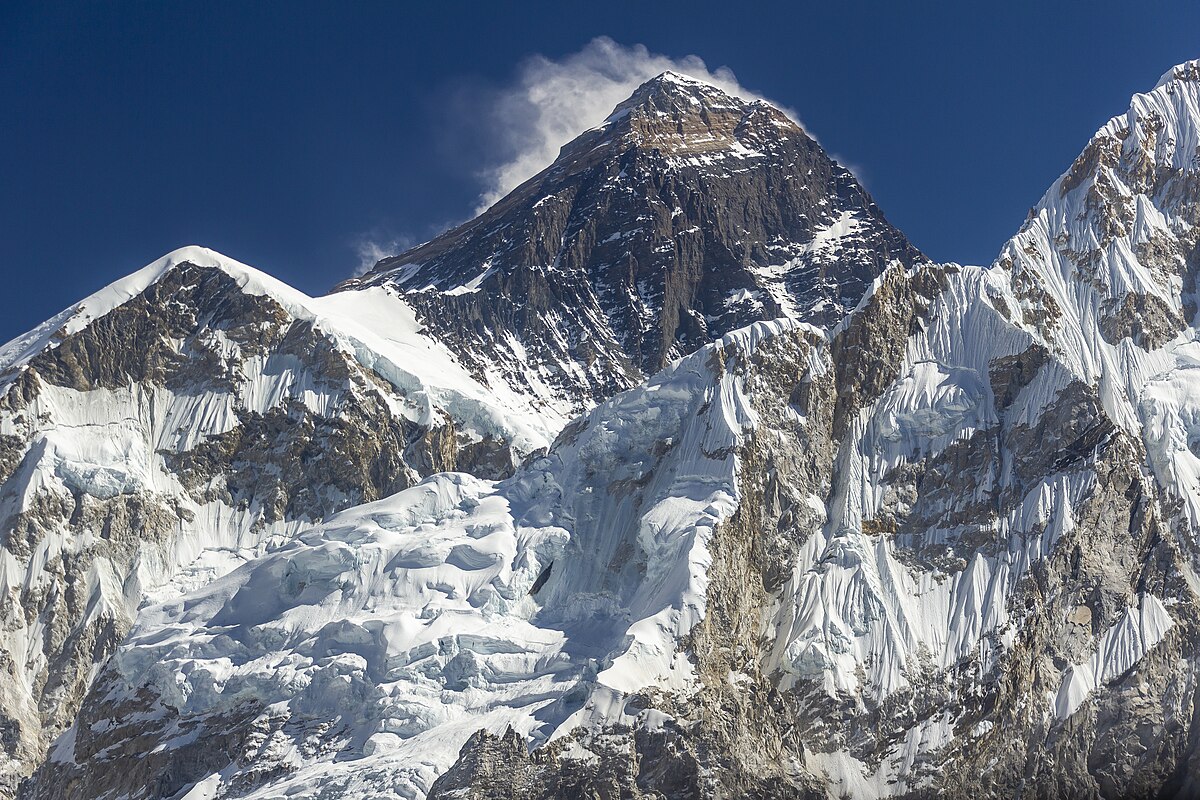


Nepal
Bharat Friends Index
Composite score based on Diplomatic Ties, Respect for Sovereignty, and Social Warmth.
Why Nepal?
Recent Sentiment
Recent developments in India-Nepal relations indicate a predominantly positive and forward-looking sentiment, largely driven by Nepal's current government. Diplomatically, there has been a concerted effort from Nepal to 'reset' its relationship with India, moving away from past geopolitical frictions towards a focus on economic transformation and pragmatic cooperation. This was exemplified by the official visit of Nepal's Foreign Minister Shisir Khanal to India from June 5-7, 2026, which aimed to strengthen cooperation across key areas including trade, investment, connectivity, energy, and people-to-people ties. A significant highlight was the joint inauguration of the Unified Payment Interface (UPI) and National Payment Interface (NPI) for cross-border digital payments, enhancing financial connectivity. While Prime Minister Balendra Shah's earlier remarks on reciprocal border encroachment and the initial suggestion of involving the UK for historical documents generated some controversy domestically, Nepal's Foreign Ministry and Foreign Minister Khanal swiftly clarified that Kathmandu is committed to resolving border issues through bilateral dialogue and is not seeking third-party mediation. This clarification is a critical positive signal, adhering to the principle of addressing sensitive matters bilaterally. India, in turn, has reciprocated with warmth, with External Affairs Minister S. Jaishankar expressing a desire to 'decisively shift the trajectory' of bilateral ties.
The media narrative in Nepal largely reflects this positive diplomatic push. Reports highlight the government's intention to foster 'result-driven diplomacy' and capitalize on India's economic growth. While PM Shah's border comments were reported with scrutiny by the Nepali press, the subsequent official clarifications by the Foreign Ministry were also widely covered, helping to manage potential diplomatic fallout. This indicates a mature media landscape that covers both areas of cooperation and occasional friction, but with an overall emphasis on the renewed bilateral engagement. The extensive coverage of increased tourism from India also paints a positive picture of people-to-people relations and economic benefits.
Public perception, particularly concerning tourism, is overwhelmingly positive. Nepal experienced record numbers of Indian tourists in May 2026, with 40,782 arrivals by air, marking a significant 32.66% increase over the previous year. Tourism officials and entrepreneurs widely attribute this surge to Nepal's convenience as a destination, including visa-free travel, acceptance of Indian currency and digital payments, and improved connectivity. The Nepal Tourism Board actively debunked 'false and baseless' rumors about new restrictions on Indian visitors, underscoring Nepal's welcoming stance and the importance of continued open-border arrangements. This robust flow of tourists and the official efforts to facilitate it strongly underscore the deep cultural ties and the historical perception of India as a 'trusted friend.' Despite occasional political statements regarding border disputes, the practical and economic interactions, along with the diplomatic efforts to maintain a constructive dialogue, demonstrate a stable and improving multifaceted relationship.
Reasons to Visit
Nepal stands out as an incredibly inviting destination for Indian tourists, boasting a high Friendliness Index that promises a warm, hospitable welcome. Visitors often feel a profound cultural connection, making the experience feel like a home away from home. The Good Safety Score ensures peace of mind, whether you're exploring ancient temples in Kathmandu, embarking on a thrilling trek, or enjoying the serene lakes of Pokhara. For Indian travelers, Nepal's Very High Popularity is well-deserved, offering unparalleled value, easy accessibility (no visa required!), and a diverse tapestry of experiences. From the spiritual solace of sacred sites to the adrenaline rush of Himalayan adventures and the tranquility of national parks, Nepal offers a unique blend of culture, spirituality, and natural beauty that resonates deeply, making it an ideal escape for families, spiritual seekers, and adventure enthusiasts alike.
Performance Breakdown
UN and Multilateral Voting Alignment
75Nepal demonstrates significant alignment with India on key issues such as counter-terrorism, supporting India's bid for UNSC permanent membership, and generally respecting India's stance on Kashmir as an internal or bilateral matter (Nepal is not an OIC member). However, a notable divergence in voting patterns exists on major global issues like the Ukraine conflict, where Nepal consistently voted for UN General Assembly resolutions condemning the aggression, while India largely abstained.
Sentiment Score
100Recent developments in India-Nepal relations indicate a predominantly positive and forward-looking sentiment, largely driven by Nepal's current government. Diplomatically, there has been a concerted effort from Nepal to 'reset' its relationship with India, moving away from past geopolitical frictions towards a focus on economic transformation and pragmatic cooperation. This was exemplified by the official visit of Nepal's Foreign Minister Shisir Khanal to India from June 5-7, 2026, which aimed to strengthen cooperation across key areas including trade, investment, connectivity, energy, and people-to-people ties. A significant highlight was the joint inauguration of the Unified Payment Interface (UPI) and National Payment Interface (NPI) for cross-border digital payments, enhancing financial connectivity. While Prime Minister Balendra Shah's earlier remarks on reciprocal border encroachment and the initial suggestion of involving the UK for historical documents generated some controversy domestically, Nepal's Foreign Ministry and Foreign Minister Khanal swiftly clarified that Kathmandu is committed to resolving border issues through bilateral dialogue and is not seeking third-party mediation. This clarification is a critical positive signal, adhering to the principle of addressing sensitive matters bilaterally. India, in turn, has reciprocated with warmth, with External Affairs Minister S. Jaishankar expressing a desire to 'decisively shift the trajectory' of bilateral ties. The media narrative in Nepal largely reflects this positive diplomatic push. Reports highlight the government's intention to foster 'result-driven diplomacy' and capitalize on India's economic growth. While PM Shah's border comments were reported with scrutiny by the Nepali press, the subsequent official clarifications by the Foreign Ministry were also widely covered, helping to manage potential diplomatic fallout. This indicates a mature media landscape that covers both areas of cooperation and occasional friction, but with an overall emphasis on the renewed bilateral engagement. The extensive coverage of increased tourism from India also paints a positive picture of people-to-people relations and economic benefits. Public perception, particularly concerning tourism, is overwhelmingly positive. Nepal experienced record numbers of Indian tourists in May 2026, with 40,782 arrivals by air, marking a significant 32.66% increase over the previous year. Tourism officials and entrepreneurs widely attribute this surge to Nepal's convenience as a destination, including visa-free travel, acceptance of Indian currency and digital payments, and improved connectivity. The Nepal Tourism Board actively debunked 'false and baseless' rumors about new restrictions on Indian visitors, underscoring Nepal's welcoming stance and the importance of continued open-border arrangements. This robust flow of tourists and the official efforts to facilitate it strongly underscore the deep cultural ties and the historical perception of India as a 'trusted friend.' Despite occasional political statements regarding border disputes, the practical and economic interactions, along with the diplomatic efforts to maintain a constructive dialogue, demonstrate a stable and improving multifaceted relationship.
Bilateral Trade
80[Growing Market] The bilateral trade relationship between India and Nepal for 2025 is substantial, with a total volume of $9461.52 Million. India maintains a significant trade surplus of $5442.2 Million, primarily positioning Nepal as a key growing market for Indian goods while also importing crucial commodities. In 2025, the bilateral trade between India and Nepal reached a robust total volume of $9461.52 Million. India's exports to Nepal stood at $7451.86 Million, showcasing Nepal as a significant and growing market for a diverse range of Indian products. Key exports include consumer goods like Cosmetics and Toiletries ($123.8M), Fresh Vegetables ($70.9M), and Fresh Fruits ($67.8M), alongside some technological items such as Telecom Instruments ($70.0M). Conversely, India's imports from Nepal amounted to $2009.66 Million, heavily concentrated in primary commodities and basic manufactured goods. Vegetable Oils dominate these imports at $1138.5 Million, accounting for over 56% of total imports from Nepal, followed by Other Commodities ($162.5M), Manmade Yarn, Fabrics, Madeups ($93.3M), Spices ($72.0M), and Iron and Steel ($68.5M). This trade structure results in a substantial trade surplus of $5442.2 Million for India, underscoring Nepal's role as a major recipient of Indian goods and highlighting its economic interdependence with India.
Defence Ties
80By 2026, defence ties between India and Nepal remain robust, built on a foundation of historical cooperation and mutual trust. A key pillar of this relationship is the consistent conduct of the 'Surya Kiran' joint military exercise, which by 2026 is projected to have completed approximately 16 editions. India also plays a significant role in enhancing Nepal's defence capabilities through comprehensive training programs, with hundreds of Nepalese Army personnel undergoing training in various Indian defence institutions annually. While specific transaction values for 2026 deals are forward-looking projections, India's historical pattern of support includes regular provisions of defense aid, such as military vehicles, communication equipment, and logistical assistance. These annual assistance packages, coupled with extensive training support, collectively represent a significant commitment to defense cooperation, typically valued in the range of several million dollars per year.
Indian Popularity
90Nepal remains an exceptionally popular destination for Indian tourists in 2026, fueled by strong cultural ties, religious significance, and diverse adventure offerings. The ease of visa-free travel, proximity, and increasing connectivity continue to bolster its appeal. We project Annual Indian Visitors to Nepal will comfortably exceed 450,000 by 2026, showcasing a robust recovery and a sustained growth trend of 12-15% year-on-year from immediate post-pandemic figures. This consistent interest positions Nepal as a top-tier international travel choice, consistently featuring among the top 5 international destinations frequently searched by Indian travelers across major online platforms.
Visa Ease
100Indian citizens do not require a visa to enter Nepal in 2026, as per the 1950 Indo-Nepal Treaty of Peace and Friendship. This grants them visa-free entry and freedom of movement. While specific identification documents are required (Indian Passport or original Voter ID for air travel; Passport, Voter ID, or Aadhaar for land travel), there are no visa applications, fees, or prior approvals needed. This aligns directly with the '100: Visa Free / Freedom of Movement' category in the provided scoring rubric. --- PREVIOUS ANALYSIS --- Visa Free: No limit. Passport or Voter ID accepted. Open border.
Safety Index
80Nepal generally offers a warm and welcoming experience for tourists. For Indian tourists in 2026, the overall safety status is good, benefiting from cultural similarities and widespread understanding of Hindi. However, specific risks require vigilance. Key risks and considerations: 1. **Natural Disasters:** Geographically, Nepal is prone to natural events like earthquakes (post-2015 recovery efforts are ongoing, but preparedness remains key) and landslides, particularly during the monsoon season (June-September) in hilly regions. Travelers should monitor local advisories and avoid non-essential travel to landslide-prone areas during heavy rains. 2. **Petty Crime & Scams:** Petty crime, such as pickpocketing or bag snatching, can occur in crowded tourist areas like Thamel, Durbar Squares in Kathmandu, Pokhara Lakeside, and bus stations. Travelers should also be wary of common tourist scams (e.g., overcharging, fake goods, unsolicited guides or 'helpful' strangers). It's advisable to secure valuables and be cautious with unsolicited offers. 3. **Road Safety:** Road safety remains a significant concern. Infrastructure can be challenging, and driving standards vary, leading to a higher risk of accidents, especially on inter-city buses and mountainous routes. It's recommended to use reputable transport providers and avoid night travel on winding roads. 4. **Trekking & Adventure:** For those undertaking trekking or adventure sports, altitude sickness, unpredictable weather, and the need for proper gear, certified guides, and comprehensive travel insurance are critical considerations. Always register treks and inform someone of your itinerary. 5. **Health & Hygiene:** Standard precautions regarding food and water hygiene are advisable to prevent common travel-related illnesses. Stick to bottled water and well-cooked food from reputable establishments. While the perceived familiarity and cultural affinity might foster a sense of comfort, maintaining vigilance and taking standard travel precautions is always recommended. With awareness and preparedness, Nepal remains a generally safe and rewarding destination for Indian tourists.
Bonus Considerations
Vegetarian Friendliness
95Nepal offers excellent availability for vegetarian and Indian-friendly cuisine, making it very convenient for Indian tourists. Due to strong cultural and religious ties with India, vegetarianism is a deeply understood and respected dietary practice. Traditional Nepali cuisine features many inherently vegetarian dishes such as Dal Bhat Tarkari (rice, lentil soup, and vegetable curry), vegetable momos, and a variety of vegetable curries (tarkari) and snacks. Moreover, major tourist destinations like Kathmandu, Pokhara, and Lumbini are abundant with Indian restaurants serving a wide array of North Indian, South Indian, and Indo-Chinese vegetarian dishes. The concept of 'pure veg' is well-understood, ensuring that dietary preferences are easily accommodated across various dining establishments.
Budget / Affordability
95Nepal continues to be an exceptionally affordable destination for Indian tourists in 2026. The close proximity, open border policy, and strong connectivity ensure low travel costs. An average round-trip flight from major Indian cities to Kathmandu is projected to be around ₹14,500. Daily expenses, covering comfortable budget accommodation, food, local transport, and activities, are estimated at ₹4,500, making it very accessible.
Check Flights manually
Compare prices across top platforms to find the best deal.