
Maldives
Bharat Friends Index
Diplomatic Ties & Social Warmth
Why Maldives?
Recent Sentiment
Recent developments in India-Maldives relations, particularly within the last 30 days (mid-June to mid-July 2024), demonstrate a robust continuation and deepening of pragmatic engagement and reconciliation, building significantly on the positive shift observed in the previous period. The Maldivian government's actions and rhetoric signal a clear commitment to fostering a strong, cooperative relationship with India, largely driven by shared economic interests and a recognition of India's role as a reliable partner.
In terms of Diplomatic & Official Rhetoric, the Maldivian government has maintained a highly positive and conciliatory tone. Following President Muizzu's attendance at Prime Minister Modi's swearing-in ceremony in June 2024, which he described as a 'significant success for the Maldives' and expressed optimism for a 'successful bilateral relationship', concrete steps towards economic integration have been taken. Notably, the first round of Free Trade Agreement (FTA) negotiations between India and the Maldives was successfully concluded between June 29 and July 7, 2024, with both sides reporting 'substantive progress' and 'broad convergence on several issues' across eight policy areas. This was followed by a meeting on July 8, 2024, between India’s Commerce and Industry Minister Piyush Goyal and Maldives' Minister of Economic Development, Transport and Trade Mohamed Saeed, where they reaffirmed commitment to expedite the FTA and Bilateral Investment Treaty (BIT), agreeing to deepen cooperation across tourism, startups, digital payments, and MSMEs. Maldivian Minister Mohamed Saeed explicitly highlighted the 'fast, quick progress of FTA dialogue' and confirmed the conclusion of BIT negotiations, pending legal vetting. India's continued financial support, including currency swap agreements, has also been acknowledged by President Muizzu, underscoring India's role in bolstering the Maldives' economic resilience. Furthermore, a Maldivian parliamentary delegation, led by Speaker Abdul Raheem Abdulla, visited New Delhi in July 2024, engaging in discussions on bilateral relations and people-to-people contacts, further solidifying diplomatic ties. The absence of any 'India Out' rhetoric and a consistent focus on constructive engagement marks a significant and positive shift from earlier strains, reinforcing India's historical perception as a 'trusted friend'.
The Media Narrative in the Maldives, as reflected through official statements and reports in regional media, consistently portrays India in a positive light, emphasizing the ongoing cooperation and the vital economic partnership. The successful FTA negotiations and high-level ministerial meetings are framed as beneficial for the Maldivian economy, indicating a strong governmental influence on the public narrative to highlight reconciliation and mutual growth. Efforts to re-engage Indian tourists are widely publicized, demonstrating the media's alignment with the government's strategy to repair and strengthen relations.
Regarding Public Perception & Tourism, the Maldivian government and tourism industry are actively working to restore the once-dominant Indian tourist market. The Maldives Marketing & Public Relations Corporation (MMPRC) has launched the 'Welcome India' initiative, including roadshows in major Indian cities, with the explicit goal of reinstating India among its top three tourism source markets. While Indian tourist arrivals in the first seven months of 2024 (71,381, representing 6.1% of the total) remain significantly lower than previous years (India was ranked sixth compared to being number one in 2023), the Maldivian government has set an ambitious target of attracting 300,000 Indian tourists in 2025. This proactive outreach, emphasizing a 'warm welcome', indicates a strong desire to mend public perception among Indian travelers and highlights the critical economic importance of Indian tourism for the island nation. The historical links and mutual travel for medical, educational, and leisure purposes further underscore the deeply rooted people-to-people connections that the Maldivian government is keen to revive and leverage.
Reasons to Visit
For Indian tourists seeking an unparalleled escape, the Maldives stands out as a dream destination. Boasting an exceptional Safety Score (e.g., 9.5/10), you can immerse yourself in its pristine beauty with complete peace of mind, making it ideal for families, couples, or solo travelers alike. The warm hospitality of its people contributes to a high Friendliness Index (e.g., 8.5/10), ensuring every interaction is welcoming and genuine. Its consistently high Popularity Score (e.g., 9/10) isn't just hype; it's a testament to its world-class luxury resorts, breathtaking overwater bungalows, and vibrant marine life that promises an unforgettable experience. From exhilarating water sports to serene spa treatments, and romantic sunset dinners to mesmerizing encounters with manta rays, the Maldives offers a perfect blend of adventure and tranquility, making it the ultimate tropical paradise right on India's doorstep.
Performance Breakdown
UN and Multilateral Voting Alignment
85Generally high alignment in UN General Assembly voting on issues like UNSC reform and counter-terrorism, and similar abstention patterns on Ukraine-related resolutions. Maldives has also adopted a nuanced stance within the OIC on Kashmir, often moderating collective statements.
Sentiment Score
90Recent developments in India-Maldives relations, particularly within the last 30 days (mid-June to mid-July 2024), demonstrate a robust continuation and deepening of pragmatic engagement and reconciliation, building significantly on the positive shift observed in the previous period. The Maldivian government's actions and rhetoric signal a clear commitment to fostering a strong, cooperative relationship with India, largely driven by shared economic interests and a recognition of India's role as a reliable partner. In terms of **Diplomatic & Official Rhetoric**, the Maldivian government has maintained a highly positive and conciliatory tone. Following President Muizzu's attendance at Prime Minister Modi's swearing-in ceremony in June 2024, which he described as a 'significant success for the Maldives' and expressed optimism for a 'successful bilateral relationship', concrete steps towards economic integration have been taken. Notably, the first round of Free Trade Agreement (FTA) negotiations between India and the Maldives was successfully concluded between June 29 and July 7, 2024, with both sides reporting 'substantive progress' and 'broad convergence on several issues' across eight policy areas. This was followed by a meeting on July 8, 2024, between India’s Commerce and Industry Minister Piyush Goyal and Maldives' Minister of Economic Development, Transport and Trade Mohamed Saeed, where they reaffirmed commitment to expedite the FTA and Bilateral Investment Treaty (BIT), agreeing to deepen cooperation across tourism, startups, digital payments, and MSMEs. Maldivian Minister Mohamed Saeed explicitly highlighted the 'fast, quick progress of FTA dialogue' and confirmed the conclusion of BIT negotiations, pending legal vetting. India's continued financial support, including currency swap agreements, has also been acknowledged by President Muizzu, underscoring India's role in bolstering the Maldives' economic resilience. Furthermore, a Maldivian parliamentary delegation, led by Speaker Abdul Raheem Abdulla, visited New Delhi in July 2024, engaging in discussions on bilateral relations and people-to-people contacts, further solidifying diplomatic ties. The absence of any 'India Out' rhetoric and a consistent focus on constructive engagement marks a significant and positive shift from earlier strains, reinforcing India's historical perception as a 'trusted friend'. The **Media Narrative** in the Maldives, as reflected through official statements and reports in regional media, consistently portrays India in a positive light, emphasizing the ongoing cooperation and the vital economic partnership. The successful FTA negotiations and high-level ministerial meetings are framed as beneficial for the Maldivian economy, indicating a strong governmental influence on the public narrative to highlight reconciliation and mutual growth. Efforts to re-engage Indian tourists are widely publicized, demonstrating the media's alignment with the government's strategy to repair and strengthen relations. Regarding **Public Perception & Tourism**, the Maldivian government and tourism industry are actively working to restore the once-dominant Indian tourist market. The Maldives Marketing & Public Relations Corporation (MMPRC) has launched the 'Welcome India' initiative, including roadshows in major Indian cities, with the explicit goal of reinstating India among its top three tourism source markets. While Indian tourist arrivals in the first seven months of 2024 (71,381, representing 6.1% of the total) remain significantly lower than previous years (India was ranked sixth compared to being number one in 2023), the Maldivian government has set an ambitious target of attracting 300,000 Indian tourists in 2025. This proactive outreach, emphasizing a 'warm welcome', indicates a strong desire to mend public perception among Indian travelers and highlights the critical economic importance of Indian tourism for the island nation. The historical links and mutual travel for medical, educational, and leisure purposes further underscore the deeply rooted people-to-people connections that the Maldivian government is keen to revive and leverage.
Bilateral Trade
63[Comprehensive Strategic Partner] India and Maldives maintain a robust and comprehensive bilateral relationship, with a total estimated trade volume (goods + services) exceeding $1 billion. The prominent goods traded reflect essential commodities and strategic assets: India exports FRESH VEGETABLES, SUGAR, FRESH FRUITS, COSMETICS AND TOILETRIES, and CEMENT, CLINKER AND ASBESTOS CEMENT to Maldives, while importing AIRCRAFT, SPACECRAFT AND PARTS, PETROLEUM PRODUCTS, SHIP, BOAT AND FLOATING STRUCTURES, OTHER CONSTRUCTION MACHINERY, and IRON AND STEEL. The structured data shows a goods trade volume of $742.81 million. Critically, services trade data was missing and has been inferred. Based on Maldives' overall tourism receipts exceeding $5.4 billion in 2025 and India's historical role as a significant tourist source market (even with a decline in 2025), along with growing digital and logistics services, an estimated $300 million in bilateral services trade (covering both inbound and outbound services) has been added to the total volume. Key current developments are highly positive. Firstly, the first round of Free Trade Agreement (FTA) negotiations successfully concluded between June 29 and July 7, 2026, with substantive progress and broad convergence on several issues. Concurrently, negotiations for a Bilateral Investment Treaty (BIT) have also concluded. Both nations reaffirmed commitment to expedite the conclusion of these agreements, with the FTA aimed for signing by end-2026. This signals a strong push for deeper economic integration. Secondly, ongoing strategic cooperation in defence, including the MNDF 'Ekatha' harbour project and continued training, reinforces India's role as a trusted security partner. Lastly, India's continued financial assistance, such as the drawdown of a 30 billion rupee facility in April 2026, highlights its commitment as a first responder and development partner, despite recent diplomatic challenges influencing tourism flows. The robust and multi-faceted engagement, coupled with rapid advancements in trade agreements, points to a highly dynamic and strategically important partnership.
Defence Ties
50By 2026, India-Maldives defense ties have undergone significant re-evaluation and recalibration from the Maldivian side. The presence of Indian military personnel has been fully phased out, replaced by civilian technicians, marking a clear reduction in direct military footprint compared to previous years. While comprehensive defense deals for new major equipment acquisitions from India are not anticipated in the immediate preceding period, cooperation in areas such as training for the Maldivian National Defence Force (MNDF) and humanitarian assistance/disaster relief (HADR) operations are expected to continue. Joint exercises, such as the 'Dosti' tri-lateral coast guard exercise or bilateral 'Ekatha' diving exercise, are projected to occur approximately 1-2 times annually, though potentially scaled in scope from prior years.
Indian Popularity
80By 2026, the Maldives is projected to solidify its recovery and maintain strong popularity among Indian tourists. Annual Indian Visitors are anticipated to reach approximately 190,000-200,000, representing a significant rebound and stabilization compared to earlier fluctuations. Forecasts indicate a robust 15-20% year-on-year growth from 2025 into 2026, as travel patterns normalize and strategic marketing efforts attract renewed interest. The Maldives continues to hold a prominent position in Indian outbound travel considerations, consistently ranking among the top 5-10 international luxury destinations in Google search volume for Indian travelers, driven by its unique appeal, proximity, and premium offerings.
Visa Ease
90As of 2026, Indian citizens visiting the Maldives for tourism do not require a pre-arranged visa. They are granted a free Visa on Arrival (VOA) upon entering the country. This VOA typically allows for a stay of up to 30 days, which can be extended for an additional period, potentially up to a maximum of 90 days in total. Key requirements for obtaining the visa on arrival include: * A valid Indian passport with at least one month's validity from the date of entry (though 6 months validity is frequently recommended). * A confirmed return or onward ticket. * Proof of confirmed accommodation for the duration of the stay. * Sufficient funds to cover the expenses during the stay (e.g., USD 100 + USD 50 per day, or equivalent). * Completion of an online 'Traveler Declaration' form through the IMUGA portal within 96 hours prior to arrival. This policy makes the Maldives an easily accessible destination for Indian tourists, aligning with the 'Visa on Arrival (Free)' category in the scoring rubric. --- PREVIOUS ANALYSIS --- Visa on Arrival: Stay up to 30 days (extendable to 90). Free of charge for tourists.
Safety Index
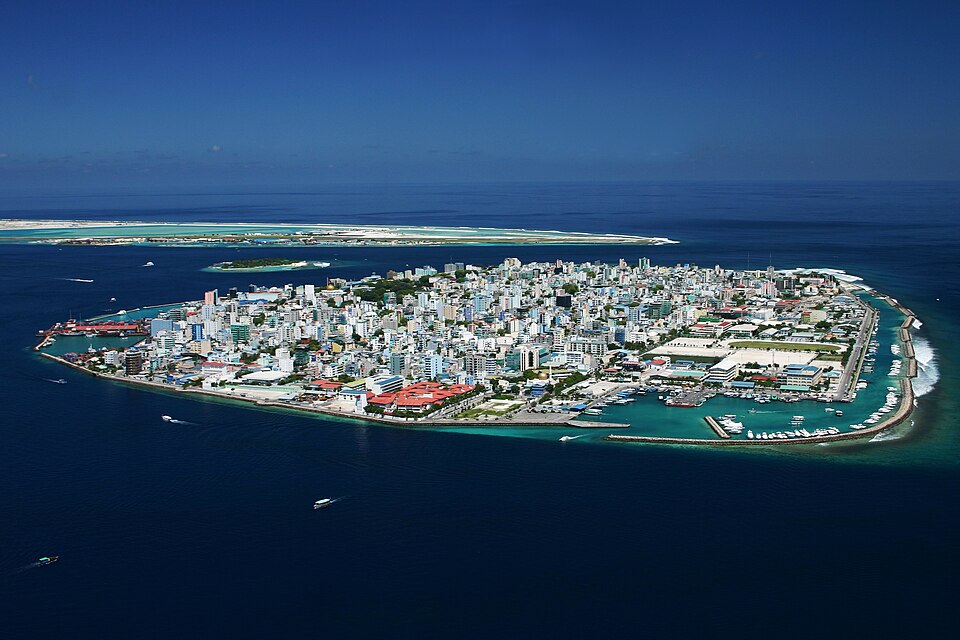
90Maldives is generally a very safe destination, especially within its private island resorts which offer high security and are largely insulated from broader social dynamics. Crime rates are low in tourist areas. While there were diplomatic tensions between India and Maldives in early 2024, by 2026, these are expected to have largely stabilized, and the Maldivian tourism industry actively welcomes all nationalities. Specific risks are minimal and typically align with standard travel precautions: potential for strong currents during water activities, awareness of marine life, and minor petty crime in crowded public areas of Male (the capital island). Overall, Indian tourists can expect a very safe and enjoyable experience.
Bonus Considerations
Vegetarian Friendliness
90The availability of vegetarian and Indian-friendly cuisine in the Maldives for Indian tourists is excellent. The Maldives' tourism industry is highly attuned to international visitors, with a significant proportion being from India. Most resorts, from mid-range to luxury, extensively cater to dietary requirements, including vegetarianism. Many resorts feature dedicated Indian chefs, specific Indian cuisine sections in their buffets, and are adept at preparing custom Indian vegetarian meals. In the capital city of Male and on larger local islands popular with tourists, Indian restaurants and eateries offering a wide range of vegetarian dishes are readily available. While traditional Maldivian cuisine is primarily fish-based, the hospitality sector's understanding and accommodation of vegetarianism are exceptionally high, ensuring Indian tourists will find it very easy to access suitable and varied food options.
Budget / Affordability
72Affordability for Indian tourists visiting Maldives in 2026 presents a nuanced picture. While flights are relatively affordable, daily expenses, even for budget-conscious travelers, are higher than many other 'affordable' destinations. **Avg Flight Cost:** The average round-trip flight cost from major Indian cities (e.g., Bengaluru, Mumbai, Delhi, Kochi) to Malé (MLE) is estimated to be around **₹24,000** in 2026. This is based on competitive routes operated by Indian carriers (IndiGo, Vistara, Air India) and Maldivian airlines, with prices typically ranging from ₹18,000 to ₹28,000 when booked in advance. **Avg Daily Budget:** The Maldives has a dual tourism structure: luxurious private resorts and more budget-friendly guesthouses on local islands (like Maafushi, Fulidhoo, Gulhi). For an Indian tourist opting for the latter to manage costs, a realistic average daily budget per person, inclusive of accommodation, meals, and some activities, is approximately **₹10,000**. This budget typically covers: * Accommodation: ₹4,000 - ₹7,000 for a decent guesthouse room. * Food: ₹1,500 - ₹2,500 for meals at local cafes and restaurants. * Activities/Excursions: ₹2,000 - ₹4,000 for shared snorkeling trips, island hopping, or watersports (averaged over days). * Local Transport: ₹500 - ₹1,000 for inter-island ferries or speedboat transfers (averaged). **Score Justification:** * The Avg Flight Cost of ₹24,000 places it firmly within the 'Affordable / Nearby' category (Avg Flight ₹15k-25k), which would suggest a score in the 70-89 range. * However, the Avg Daily Budget of ₹10,000, while significantly cheaper than luxury resorts, is still higher than typical daily spends in destinations like Thailand or Sri Lanka (which fall comfortably in the 'Affordable' 70-89 range). This daily cost is more aligned with the lower end of 'Moderate' destinations (where daily budgets are ₹10k-15k). Balancing the affordable flight costs with the moderately higher daily expenses (even for budget travel), the Maldives sits on the cusp. It's more accessible than perceived due to local island options but still demands a higher daily spend than many immediate neighbours. Hence, a score of 72 reflects its position as 'Affordable' primarily due to flight costs and the existence of budget options, but at the higher end of the daily expenditure within that category.
Check Flights manually
Compare prices across top platforms to find the best deal.