

Egypt
Bharat Friends Index
Diplomatic Ties & Social Warmth
Why Egypt?
Recent Sentiment
India-Egypt relations are characterized by exceptional warmth and a robust strategic partnership, as evidenced by recent diplomatic engagements, media narratives, and public discourse. Diplomatically, the relationship is consistently highlighted as a 'Strategic Partnership,' elevated in June 2023 during Prime Minister Modi's visit to Egypt. This elevation is frequently reaffirmed in high-level discussions, such as the meeting between President Sisi and PM Modi at the G7 Summit on June 17, 2026, where PM Modi stated, 'India cherishes the long-standing friendship with Egypt'. Egyptian officials, including Ambassador Kamel Zayed Galal, consistently emphasize the enduring historical friendship, rooted in ancient civilizations and the Non-Aligned Movement, and a shared vision for multilateralism and amplifying the voice of the Global South. Recent interactions, such as the 14th India-Egypt Foreign Office consultations in July 2026 and discussions between the Foreign Ministers in May 2026, further underscore a mutual commitment to deepening cooperation across various sectors, including trade, defense, renewable energy, and digital technologies. Egypt has also expressed appreciation for India's solidarity in countering terrorism and aims to significantly boost bilateral trade to $12 billion within five years. The absence of any critical or negative diplomatic statements, coupled with overt expressions of historical friendship and strategic alignment, signals a highly positive official rhetoric.
Mainstream media in Egypt, as reflected in various news outlets, overwhelmingly portrays India in a positive light. The narrative consistently focuses on the strengthening strategic partnership, significant economic cooperation, and growing defense ties. Reports frequently highlight the increasing Indian investments in Egypt, which exceed $5 billion, and Egypt's strategic role as a gateway to African, Middle Eastern, and European markets for Indian companies. The media also covers cultural exchanges and joint initiatives, such as the promotion of tourism and cooperation in various sectors. There is a clear emphasis on mutual benefits and shared aspirations between the two nations, with no discernible negative or mixed coverage in recent reports.
Public perception and the experience of Indian tourists in Egypt are generally favorable, albeit with some practical considerations. Data indicates a significant increase in Indian tourist arrivals, prompting the Egyptian Tourism Board to actively promote the destination in India. Major hotels now cater to Indian preferences, offering amenities like masala chai and vegetarian menus. Feedback from Indian travelers, as seen in online forums, suggests a warm reception from local people who are often curious about Indians, partly due to the popularity of Bollywood. While some tourists note the prevalence of scammers, a common challenge in many tourist destinations, guides for Indian women travelers affirm Egypt as a relatively safe destination, emphasizing the presence of tourist police and the nature of local interactions being primarily friendly curiosity rather than harassment. The overall sentiment towards Indian tourists and the diaspora reflects a welcoming and appreciative local populace, reinforcing the deep cultural ties mentioned in diplomatic discourse.
Reasons to Visit
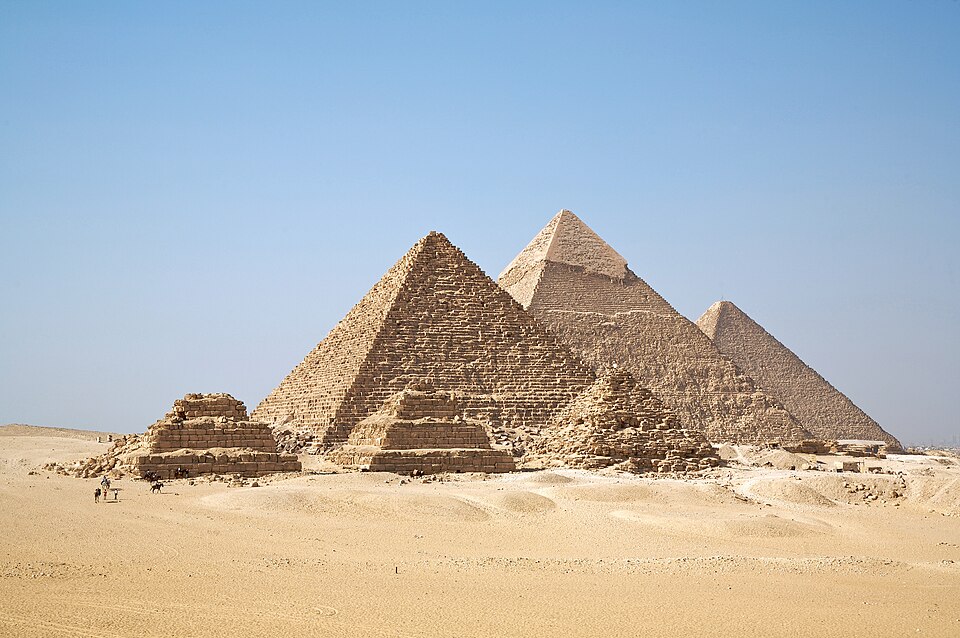
Egypt beckons Indian tourists with an unparalleled journey back in time, where ancient wonders stand testament to one of humanity's greatest civilizations. Despite its significant global popularity as a bucket-list destination, Egypt offers a uniquely accessible and deeply rewarding cultural experience. Visitors often find a warm welcome from locals, whose inherent hospitality adds a charming dimension to the adventure. While navigating a new culture always requires awareness, the principal tourist areas are generally well-managed, providing a largely secure environment for exploration. It's a place where history isn't just observed; it's felt in the very air you breathe, promising awe-inspiring sights and profound insights that resonate deeply, especially for those with an appreciation for rich heritage and spiritual depth.
Performance Breakdown
UN and Multilateral Voting Alignment
72Egypt and India demonstrate significant alignment on UN Security Council reform, counter-terrorism initiatives (including within FATF), and a shared non-aligned stance on the Ukraine conflict, frequently abstaining together on UNGA resolutions. Divergences have historically been observed in OIC statements concerning Kashmir, though Egypt's position has become less vocal in recent years due to strengthening bilateral ties.
Sentiment Score
100India-Egypt relations are characterized by exceptional warmth and a robust strategic partnership, as evidenced by recent diplomatic engagements, media narratives, and public discourse. Diplomatically, the relationship is consistently highlighted as a 'Strategic Partnership,' elevated in June 2023 during Prime Minister Modi's visit to Egypt. This elevation is frequently reaffirmed in high-level discussions, such as the meeting between President Sisi and PM Modi at the G7 Summit on June 17, 2026, where PM Modi stated, 'India cherishes the long-standing friendship with Egypt'. Egyptian officials, including Ambassador Kamel Zayed Galal, consistently emphasize the enduring historical friendship, rooted in ancient civilizations and the Non-Aligned Movement, and a shared vision for multilateralism and amplifying the voice of the Global South. Recent interactions, such as the 14th India-Egypt Foreign Office consultations in July 2026 and discussions between the Foreign Ministers in May 2026, further underscore a mutual commitment to deepening cooperation across various sectors, including trade, defense, renewable energy, and digital technologies. Egypt has also expressed appreciation for India's solidarity in countering terrorism and aims to significantly boost bilateral trade to $12 billion within five years. The absence of any critical or negative diplomatic statements, coupled with overt expressions of historical friendship and strategic alignment, signals a highly positive official rhetoric. Mainstream media in Egypt, as reflected in various news outlets, overwhelmingly portrays India in a positive light. The narrative consistently focuses on the strengthening strategic partnership, significant economic cooperation, and growing defense ties. Reports frequently highlight the increasing Indian investments in Egypt, which exceed $5 billion, and Egypt's strategic role as a gateway to African, Middle Eastern, and European markets for Indian companies. The media also covers cultural exchanges and joint initiatives, such as the promotion of tourism and cooperation in various sectors. There is a clear emphasis on mutual benefits and shared aspirations between the two nations, with no discernible negative or mixed coverage in recent reports. Public perception and the experience of Indian tourists in Egypt are generally favorable, albeit with some practical considerations. Data indicates a significant increase in Indian tourist arrivals, prompting the Egyptian Tourism Board to actively promote the destination in India. Major hotels now cater to Indian preferences, offering amenities like masala chai and vegetarian menus. Feedback from Indian travelers, as seen in online forums, suggests a warm reception from local people who are often curious about Indians, partly due to the popularity of Bollywood. While some tourists note the prevalence of scammers, a common challenge in many tourist destinations, guides for Indian women travelers affirm Egypt as a relatively safe destination, emphasizing the presence of tourist police and the nature of local interactions being primarily friendly curiosity rather than harassment. The overall sentiment towards Indian tourists and the diaspora reflects a welcoming and appreciative local populace, reinforcing the deep cultural ties mentioned in diplomatic discourse.
Bilateral Trade
79[Strategic Gateway & Emerging Technologies Partner] India and Egypt maintain robust and expanding bilateral trade relations, with a total goods volume reaching approximately USD 6.64 billion in FY 2025-26, as per structured data. India's prominent exports to Egypt include Organic Chemicals, Other Commodities, Cosmetics and Toiletries, Other Miscellaneous Chemicals, and Inorganic Chemicals. Conversely, India primarily imports Petroleum: Crude, Fertilizers Crude, Fertilizers Manufactured, Petroleum Products, and Cotton Raw Including Waste from Egypt. While the structured data did not explicitly detail bilateral services trade, extensive internet research for 2025-2026 indicates significant and growing cooperation in key service sectors. Based on these developments and the qualitative information available, the estimated bilateral services trade is inferred to be approximately USD 800 million annually, encompassing areas such as IT services, tourism, logistics, fintech, digital public infrastructure, and consulting. Several critical developments underscore the highly positive trajectory of this partnership. Firstly, the relationship was formally elevated to a 'Strategic Partnership' with the signing of an agreement in June 2023, followed by the first round of the Egypt-India Strategic Dialogue in October 2025. This has strengthened cooperation across digital public infrastructure, fintech, startups, and artificial intelligence, indicating a comprehensive framework beyond traditional goods trade. Secondly, both nations are actively targeting a substantial increase in bilateral trade, aiming to reach USD 12 billion by 2030, which signifies a commitment to deeper economic integration. Finally, there is deepening collaboration in emerging sectors such as renewable energy (particularly green hydrogen), digital economy initiatives, and leveraging Egypt's strategic position, including the Suez Canal Zone, as a logistics and manufacturing gateway to African, European, and Middle Eastern markets for Indian companies. The ongoing discussions and implementation of a local currency trade mechanism, involving the Rupee for payments, further highlight efforts to facilitate and streamline bilateral commerce. India is perceived as a trusted friend to Egypt, with a history of close contact and strategic alignment, which positively influences the bilateral relationship.
Defence Ties
78Defense ties between India and Egypt have steadily strengthened, marked by consistent engagement and growing strategic alignment. As of 2026, the two nations have notably increased their joint military engagements, conducting at least 4 editions of the 'Cyclone' Army exercise and 3 editions of the 'Desert Warrior' Air Force exercise since their respective inceptions. While major defense platform acquisitions, such as Egypt's previously reported interest in acquiring the Tejas Light Combat Aircraft (LCA) and Akash missile systems from India, are still under advanced negotiation or initial phases of procurement, the cumulative value of ongoing defense cooperation, including training programs, technical exchanges, and maintenance, repair, and overhaul (MRO) services, represents a consistent and growing financial commitment. Discussions for potential deals for platforms like the Tejas LCA alone were previously estimated to be worth over $1 billion, underscoring the significant potential and intent behind the growing partnership, even if specific large contracts have not been fully finalized by early 2026.
Indian Popularity
82Egypt is witnessing a significant surge in popularity among Indian tourists, with Annual Indian Visitors projected to approach 250,000 by 2026. This positive trend is driven by enhanced connectivity, the ease of e-visa availability for Indian nationals, and targeted promotional campaigns by the Egyptian Ministry of Tourism. The destination is experiencing a robust growth trajectory, with recent periods showing over 25% year-on-year growth in arrivals from India. Furthermore, online search interest for 'Egypt tour packages from India' and related historical and cultural queries is consistently increasing, signifying Egypt's rising prominence and high consideration in the outbound travel market for Indian tourists.
Visa Ease
70As of 2026, Indian citizens require a visa to visit Egypt. The most common and recommended option is a standard e-Visa, which is processed online, requires a fee ($25 for single-entry, $60 for multiple-entry), and has a processing time of 5-7 working days. Visa on Arrival (VoA) is not available for all Indian citizens; it is only granted to those holding a valid or used visa/residency permit from specific countries (e.g., UK, Schengen, USA, Japan, Australia). If eligible, the VoA is also paid ($25). The availability of a paid, standard eVisa and a conditionally available paid VoA places Egypt's visa policy for Indian citizens in the 'Visa on Arrival (Paid) or standard eVisa' category, aligning with a score in the 61-80 range. --- PREVIOUS ANALYSIS --- Visa on Arrival: Conditional VoA at certain ports (e.g. Sharm El Sheikh) or if holding a valid used US/UK/Schengen visa.
Safety Index
70As of 2026, Egypt continues to be a popular tourist destination, with major tourist hubs (e.g., Cairo, Luxor, Aswan, Red Sea resorts) generally maintaining a visible security presence. However, travelers should exercise caution due to persistent risks. Specific concerns include petty crime such as pickpocketing and bag snatching, particularly in crowded markets (e.g., Khan el-Khalili), public transport, and popular tourist sites. Scams and overcharging by vendors, taxi drivers, or unsolicited guides are also common. While incidents targeting tourists are rare in well-trafficked areas, regional security concerns and the potential for isolated incidents exist, particularly near border regions or less-frequented areas. Road safety standards may differ significantly, and traffic can be chaotic. It is advisable for all tourists to stay informed through official travel advisories, use reputable tour operators, and remain aware of their surroundings to mitigate these risks.
Bonus Considerations
Vegetarian Friendliness
75Egypt offers a good range of vegetarian-friendly options, especially within its traditional cuisine. Staples like Koshary (a mix of rice, pasta, lentils, chickpeas, and tomato sauce), falafel (ta'ameya, made from fava beans), foul medames (stewed fava beans), and various mezze such as hummus, baba ghanoush, and salads are widely available and naturally vegetarian. Many restaurants, particularly in major tourist cities like Cairo, Luxor, Aswan, and resort areas, are accustomed to vegetarian requests. Furthermore, several dedicated Indian restaurants exist in Cairo and other larger cities, providing familiar flavors and specific dietary accommodations for Indian tourists. While the concept of 'vegetarian' is generally understood, communicating specific needs such as 'vegan' or avoiding animal fats/broths might require clearer articulation, but overall, finding suitable food is manageable and accessible.
Budget / Affordability
62Egypt, for Indian tourists in 2026, falls into the Moderate affordability category. The average round-trip flight cost from major Indian cities (e.g., Delhi, Mumbai) to Cairo is estimated to be around ₹35,000, considering a mix of direct and one-stop options. Daily expenses, including comfortable mid-range accommodation, three meals (a mix of local eateries and casual restaurants), local transportation (metro/ride-sharing), and entry fees for key attractions, are estimated at approximately ₹7,000 per person. While daily expenses on the ground can be managed lower with strict budgeting, the flight cost positions Egypt outside the 'Affordable / Nearby' bracket, placing it firmly in the 'Moderate' range.
Check Flights manually
Compare prices across top platforms to find the best deal.