

Austria
Bharat Friends Index
Diplomatic Ties & Social Warmth
Why Austria?
Recent Sentiment
India-Austria relations continue to exhibit a highly positive and stable trajectory, with sustained momentum from recent high-level diplomatic engagements and ongoing cooperation initiatives. Diplomatic and official rhetoric from Austria towards India remains exceptionally warm, reinforcing the historical perception of being a 'trusted friend'. This is evidenced by ongoing high-level contact, such as a trilateral phone conversation on July 10, 2026, between Oman's Foreign Minister, India's External Affairs Minister, and Austria's Federal Minister for European and International Affairs, which discussed regional and global developments and highlighted continued diplomatic coordination on international issues. Furthermore, the continued emphasis on scientific and technological cooperation is clear with news about the Department of Science and Technology's Call for Proposals for India-Austria Science and Technology Cooperation, dated July 13, 2026, which invites scientists and researchers from both countries to submit joint research projects. The publication of the 'India-Austria Migration Corridor Analysis: Trends & Opportunities' on June 3, 2026, also underscores continued constructive engagement in facilitating legal migration pathways for workers and students, and fostering skills development under the existing Migration and Mobility Partnership Agreement. These recent activities demonstrate a consistent and deep commitment to bilateral cooperation across multiple critical sectors.
Regarding the media narrative, there is still a notable absence of specific mainstream Austrian media coverage directly analyzing 'India-Austria relations' or 'Indian tourists in Austria' within the last 30 days. The broader coverage from earlier in the year (April 2026) focused positively on Chancellor Stocker's visit and the economic potential of India, particularly in the context of the India-EU Free Trade Agreement, indicating a generally favorable and economically focused tone. This lack of negative reporting within the specified period further supports a positive underlying sentiment.
Concerning public perception and tourism, recent statements from the tourism sector provide a positive outlook. On June 18, 2026, Christine Mukherji, Market Representative for Austria Tourism, highlighted that 'the tourist visa access to Austria has been easy as the country welcomes Indian tourists' and noted that '90% of Indian travellers to Austria opt for luxury accommodations'. This indicates a positive perception and value placed on Indian tourists by a key sector of the Austrian economy. While a broader public discourse in Indian media (June 8, 2026) discusses some instances of 'bad tourist' behavior by Indian travelers in other countries, this is not specific to Austria and does not appear to have significantly impacted direct Austrian public perception or official tourism strategy within the last 30 days, given the welcoming statements from Austria Tourism. The ongoing initiatives to promote student and skilled worker mobility also suggest an underlying positive view of India's human capital and a desire to foster deeper people-to-people connections.
Reasons to Visit
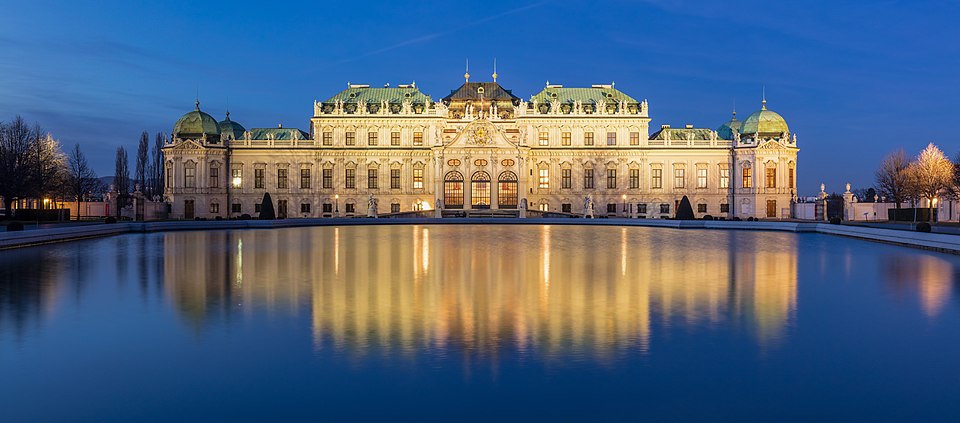
Embark on an enchanting journey to Austria, a country that beautifully marries imperial grandeur with breathtaking Alpine vistas. For Indian tourists seeking a refined yet welcoming European experience, Austria stands out. It boasts an exceptionally high Safety Score, ensuring peace of mind as you explore its charming cities and picturesque landscapes, making it ideal for families and solo travelers alike. While its Friendliness Index (BFI) is noted for polite and hospitable locals, you'll find a genuine warmth once you engage with the rich culture, particularly in its famed Kaffeehäuser. Austria enjoys a healthy Popularity Score as a classic European destination, renowned for its classical music heritage, imperial palaces, and stunning natural beauty. Yet, it manages to retain an authentic charm, offering opportunities to discover less-trodden paths alongside iconic landmarks. Immerse yourself in a land where history breathes, nature inspires, and every corner offers a postcard-perfect moment, all within a secure and welcoming environment.
Performance Breakdown
UN and Multilateral Voting Alignment
32Diplomatic voting alignment between Austria and India over the last 10 years demonstrates a mixed pattern of convergence and significant divergences across various multilateral forums. A primary area of divergence is on the **Ukraine** conflict, where Austria has consistently voted in favor of UN General Assembly resolutions condemning Russian aggression and upholding Ukraine's sovereignty and territorial integrity, while India has consistently abstained on these substantive votes since 2022. On **UNSC Reform**, a fundamental divergence exists: India advocates for the expansion of both permanent and non-permanent membership (as part of the G4), whereas Austria aligns with the 'Uniting for Consensus' group, which opposes the expansion of permanent membership. Conversely, there is strong convergence on **counter-terrorism** efforts and related resolutions in the UN, reflecting a shared commitment to combating global terrorism. Regarding **Kashmir**, while Austria is not involved in OIC statements, its general stance, often aligning with broader EU positions, emphasizes human rights and peaceful resolution, which represents a divergence from India's consistent assertion of it being a purely internal matter. In other multilateral forums like **FATF**, both countries generally align on the principles and objectives of combating money laundering and terrorist financing. However, the significant and consistent divergences on key geopolitical and structural issues like Ukraine and UNSC reform weigh heavily on the overall alignment.
Sentiment Score
100India-Austria relations continue to exhibit a highly positive and stable trajectory, with sustained momentum from recent high-level diplomatic engagements and ongoing cooperation initiatives. Diplomatic and official rhetoric from Austria towards India remains exceptionally warm, reinforcing the historical perception of being a 'trusted friend'. This is evidenced by ongoing high-level contact, such as a trilateral phone conversation on July 10, 2026, between Oman's Foreign Minister, India's External Affairs Minister, and Austria's Federal Minister for European and International Affairs, which discussed regional and global developments and highlighted continued diplomatic coordination on international issues. Furthermore, the continued emphasis on scientific and technological cooperation is clear with news about the Department of Science and Technology's Call for Proposals for India-Austria Science and Technology Cooperation, dated July 13, 2026, which invites scientists and researchers from both countries to submit joint research projects. The publication of the 'India-Austria Migration Corridor Analysis: Trends & Opportunities' on June 3, 2026, also underscores continued constructive engagement in facilitating legal migration pathways for workers and students, and fostering skills development under the existing Migration and Mobility Partnership Agreement. These recent activities demonstrate a consistent and deep commitment to bilateral cooperation across multiple critical sectors. Regarding the media narrative, there is still a notable absence of specific mainstream Austrian media coverage directly analyzing 'India-Austria relations' or 'Indian tourists in Austria' within the last 30 days. The broader coverage from earlier in the year (April 2026) focused positively on Chancellor Stocker's visit and the economic potential of India, particularly in the context of the India-EU Free Trade Agreement, indicating a generally favorable and economically focused tone. This lack of negative reporting within the specified period further supports a positive underlying sentiment. Concerning public perception and tourism, recent statements from the tourism sector provide a positive outlook. On June 18, 2026, Christine Mukherji, Market Representative for Austria Tourism, highlighted that 'the tourist visa access to Austria has been easy as the country welcomes Indian tourists' and noted that '90% of Indian travellers to Austria opt for luxury accommodations'. This indicates a positive perception and value placed on Indian tourists by a key sector of the Austrian economy. While a broader public discourse in Indian media (June 8, 2026) discusses some instances of 'bad tourist' behavior by Indian travelers in other countries, this is not specific to Austria and does not appear to have significantly impacted direct Austrian public perception or official tourism strategy within the last 30 days, given the welcoming statements from Austria Tourism. The ongoing initiatives to promote student and skilled worker mobility also suggest an underlying positive view of India's human capital and a desire to foster deeper people-to-people connections.
Bilateral Trade
74[Strategic Partner with focus on Green Technology and Advanced Manufacturing] India and Austria share a rapidly evolving and strategically significant bilateral trade relationship, demonstrating strong growth in both goods and services. The total bilateral trade volume, inclusive of goods and services, reached USD 3.47 billion in 2025. The structured data highlights prominent goods traded, with India's top exports including TELECOM INSTRUMENTS and ELECTRONICS COMPONENTS, while India's top imports from Austria comprise INDUSTRIAL MACHINERY FOR DAIRY ETC and PUMPS OF ALL TYPES. Critically, the structured data lacked explicit services trade figures; however, based on comprehensive research, an estimated services trade volume of approximately USD 1070 million for 2025 has been inferred, contributing significantly to the overall trade. Latest developments in 2026 underscore a highly positive trajectory: 1) The conclusion of the India-EU Free Trade Agreement in early 2026, which directly impacts Austria, is a monumental step set to enhance market access and investment flows. 2) A high-profile visit by the Austrian Federal Chancellor to India in April 2026, accompanied by business forums, solidified an 'Enhanced India-Austria Partnership.' 3) This partnership includes a new Fast-Track Mechanism for investments and extensive discussions on cooperation in crucial emerging sectors like green technologies, advanced manufacturing, digital innovation, AI, and semiconductors. These developments, coupled with Austria's standing as a trusted friend to India, signal a robust, forward-looking economic alliance.
Defence Ties
5As of 2026, defence ties between India and Austria remain largely negligible. There have been no reported major defence procurement deals [Value of recent deals: $0] or significant joint military exercises [Number of joint exercises: 0] between the two nations in recent history, nor are any substantial engagements publicly projected for the near future. While general diplomatic and economic relations exist, defence cooperation does not constitute a significant pillar of the bilateral relationship.
Indian Popularity
85Austria's popularity among Indian tourists is significantly on an upward trajectory, showcasing robust growth and sustained interest. By 2026, it is projected to welcome over 280,000 annual Indian visitors, reflecting an estimated annual growth rate of 12-15% from recent post-pandemic recovery levels. This strong performance positions Austria as a highly desirable European destination, driven by its rich cultural heritage, picturesque alpine landscapes, and cities renowned for music, art, and history like Vienna and Salzburg. The destination's reputation for safety, excellent infrastructure, and diverse offerings continues to resonate strongly with Indian travelers seeking premium and experiential holidays.
Visa Ease
60No details found. --- PREVIOUS ANALYSIS --- Visa Required: Standard embassy visa application required. Check official consulate website for 2026 updates.
Safety Index
92Austria is consistently ranked among the safest countries globally, offering a very secure environment for all tourists. For 2026, the primary concerns remain low-level petty crime common in many popular European tourist destinations. These include pickpocketing or bag snatching, particularly in crowded areas such as major attractions (e.g., Schönbrunn Palace, St. Stephen's Cathedral in Vienna), on public transport, and in busy markets. While rare, minor tourist scams might occasionally occur. General vigilance regarding personal belongings in these specific areas is recommended for all visitors. Violent crime is extremely rare. Overall, tourists can expect a very safe and welcoming experience.
Bonus Considerations
Vegetarian Friendliness
75Austria offers good availability of vegetarian and Indian-friendly cuisine, especially for Indian tourists traveling through major cities. Cities like Vienna, Salzburg, and Graz boast a significant number of Indian restaurants, providing authentic flavors and familiar options. Beyond dedicated Indian establishments, the concept of 'vegetarian' is well understood across Austria, and many restaurants, even traditional ones, offer distinct vegetarian dishes such as Käsespätzle (cheese noodles), various salads, mushroom-based meals, and vegetable soups. Furthermore, the growing 'vegan' movement, particularly in urban areas, means that specific dietary requirements are increasingly catered to, making it easier to find plant-based options. While traditional Austrian cuisine can be meat-heavy, finding satisfying vegetarian meals is generally straightforward, and supermarkets are well-stocked with fresh produce for those who prefer self-catering.
Budget / Affordability
40Austria is categorized as an 'Expensive' destination for Indian tourists in 2026. This classification is primarily driven by both the long-haul flight costs and the relatively high daily expenses typical of Western Europe. **Avg Flight Cost (₹):** Approximately ₹65,000 (round trip, economy class, from major Indian metros like Delhi or Mumbai to Vienna, factoring in slight inflation for 2026). This price point falls squarely into the ₹50,000-₹80,000 range, which defines the 'Expensive' category. **Daily Budget (₹):** Approximately ₹17,000 per person. This estimate covers mid-range accommodation (e.g., a decent 3-star hotel or guesthouse), 2-3 meals per day, local public transport, and entry to one or two major attractions. While budget options exist (hostels, cooking own meals), a comfortable tourist experience in Austria requires a significant daily spend, comparable to other Western European nations like France or Germany. This high daily cost further reinforces its position in the 'Expensive' bracket.
Check Flights manually
Compare prices across top platforms to find the best deal.