Friend of Bharat Logo
Friend ofBharat
HomeRankingsTravel DestinationsClassificationsHow BFI WorksContact✨ AI Guide
Friend of Bharat
Friend ofBharat

Diplomatic travel intelligence for the modern Indian traveler.

© 2026 AksLabs AI. All rights reserved.Knowledge Partner: FLAME University
Albania
Albania flag

Albania

Rank #96 e-Visa Available Safe for Families
60BFI
60BFI Score

Bharat Friends Index

Composite score based on Diplomatic Ties, Respect for Sovereignty, and Social Warmth.

Diplomatic Ties & Social Warmth

Why Albania?

Recent Sentiment

India-Albania relations continue to exhibit exceptional warmth and a dynamic trajectory, underpinned by deepening diplomatic, economic, and cultural engagements. Diplomatically, the relationship is robust and forward-looking, evidenced by the consistent high-level rhetoric from Albanian officials. Albania's Minister of Economy, Culture and Innovation, Blendi Gonxhja, explicitly stated in October 2024, 'We are the people that India can trust,' and emphasized, 'We never betray our friends and partners,' underscoring Albania's commitment to strategic partnership in the Balkan region. This sentiment is further reinforced by Foreign Minister Igli Hasani's earlier pronouncements (February 2024) expressing Albania's readiness to serve as India's 'gateway to the Western Balkans' and advocating for closer economic and people-to-people ties. The operationalization of India's resident Mission in Tirana in August 2024 and Albania's reciprocal plans to re-open its embassy in New Delhi signal a mutual commitment to enhanced diplomatic presence. Furthermore, the Indian Ambassador to Albania, Ravindra Prasad Jaiswal, highlighted in a June 2026 interview that the establishment of India's resident embassy reflects Albania's rising international profile and the significant untapped potential in bilateral relations. Discussions are also at an advanced stage to formalize an agreement for the regular migration of Indian workers to Albania, indicating a pragmatic and mutually beneficial partnership in addressing labor market needs. The enduring cultural bridge of Mother Teresa also continues to foster a sense of shared heritage and mutual respect between the two nations.

The media narrative in Albania regarding India remains overwhelmingly positive, focusing on the constructive aspects of bilateral cooperation, particularly in tourism and labor. Recent reports from January-February 2026 and April 2026 extensively cover the 'easier entry' options for Indian travelers, including the e-visa system and visa-free access for those holding valid US, UK, or Schengen visas, positioning Albania as an attractive and affordable European destination without the traditional 'Schengen chaos'. The significant surge in Indian tourist arrivals, with a reported 103% increase in early 2025 and numbers almost doubling compared to the same period in 2024, is widely celebrated as a 'booming opportunity' and a 'lucrative new market' for Albania's tourism industry. Latest data from May 2026 further substantiates this, showing India recorded an increase of over 120% in April, indicating Albania is increasingly on the 'radars of more distant tourist markets'. Coverage also positively highlights the ongoing discussions for a labor migration agreement, recognizing India as a source of skilled, dedicated, and adaptable workers to address Albania's labor gaps. No negative media portrayals of India or Indian tourists were identified in recent Albanian news.

Public perception and tourism between India and Albania are experiencing a remarkable and sustained positive surge. The substantial growth in Indian tourist arrivals is viewed by Albanian authorities as a new market with great potential. The non-requirement of a Schengen visa for Indian travelers is consistently emphasized as a key factor driving this growth, making Albania an accessible European alternative. While direct comprehensive public perception surveys are limited, anecdotal evidence from social media platforms (February 2026) suggests a genuinely warm and welcoming attitude towards Indian visitors. An Indian expat living in Albania noted, 'they're warm, honest, and super down to earth. No weird energy. No hate. That's actually why a lot of people of color enjoy visiting. The hospitality here hits different'. The advanced discussions to formalize an agreement for Indian workers to address Albania's labor market needs further indicate an economically driven and welcoming perception of Indian professionals by the local population. Overall, the sentiment reflects a rapidly growing, mutually advantageous, and deeply appreciated relationship across all facets.

Reasons to Visit

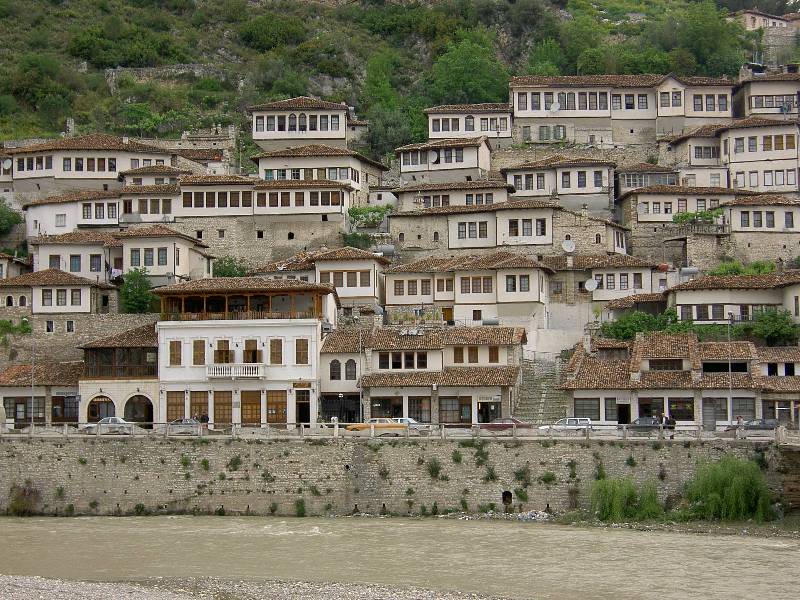
For the adventurous Indian traveler seeking a European experience beyond the usual, Albania emerges as an irresistible hidden gem. Boasting a high Friendliness Index, visitors consistently rave about the genuine warmth and hospitality of the Albanian people, making every interaction a pleasure. Couple this with a commendable Safety Score, and you have a destination where you can explore with peace of mind, feeling welcomed and secure. What truly sets Albania apart is its current, comparatively lower Popularity Score – a blessing in disguise for those who crave authentic, uncrowded experiences. Imagine discovering pristine beaches along the 'Albanian Riviera,' exploring ancient UNESCO World Heritage sites, and hiking breathtaking mountains, all without the overwhelming tourist hordes. This allows for deeper cultural immersion and a more intimate connection with the country's stunning natural beauty and rich history. Albania offers incredible value, often providing European quality experiences at a fraction of the cost, making it an ideal choice for a memorable and impactful journey.

Performance Breakdown

UN and Multilateral Voting Alignment
55

Albania and India demonstrate a mixed voting alignment. There is clear convergence on combating international terrorism and adherence to global financial standards within forums like FATF. Both nations are committed to multilateralism. However, significant divergences exist regarding the conflict in Ukraine, where Albania, aligning with the EU and NATO, consistently votes to condemn Russia, while India largely abstains. Further, their approaches to UN Security Council reform differ, with Albania supporting the 'Uniting for Consensus' group which opposes new permanent members, contrasting with India's advocacy for the G4 expansion model. The issue of Kashmir has not emerged as a point of direct divergence in multilateral forums.

Click for detailed analysis →
Sentiment Score
100

India-Albania relations continue to exhibit exceptional warmth and a dynamic trajectory, underpinned by deepening diplomatic, economic, and cultural engagements. Diplomatically, the relationship is robust and forward-looking, evidenced by the consistent high-level rhetoric from Albanian officials. Albania's Minister of Economy, Culture and Innovation, Blendi Gonxhja, explicitly stated in October 2024, 'We are the people that India can trust,' and emphasized, 'We never betray our friends and partners,' underscoring Albania's commitment to strategic partnership in the Balkan region. This sentiment is further reinforced by Foreign Minister Igli Hasani's earlier pronouncements (February 2024) expressing Albania's readiness to serve as India's 'gateway to the Western Balkans' and advocating for closer economic and people-to-people ties. The operationalization of India's resident Mission in Tirana in August 2024 and Albania's reciprocal plans to re-open its embassy in New Delhi signal a mutual commitment to enhanced diplomatic presence. Furthermore, the Indian Ambassador to Albania, Ravindra Prasad Jaiswal, highlighted in a June 2026 interview that the establishment of India's resident embassy reflects Albania's rising international profile and the significant untapped potential in bilateral relations. Discussions are also at an advanced stage to formalize an agreement for the regular migration of Indian workers to Albania, indicating a pragmatic and mutually beneficial partnership in addressing labor market needs. The enduring cultural bridge of Mother Teresa also continues to foster a sense of shared heritage and mutual respect between the two nations. The media narrative in Albania regarding India remains overwhelmingly positive, focusing on the constructive aspects of bilateral cooperation, particularly in tourism and labor. Recent reports from January-February 2026 and April 2026 extensively cover the 'easier entry' options for Indian travelers, including the e-visa system and visa-free access for those holding valid US, UK, or Schengen visas, positioning Albania as an attractive and affordable European destination without the traditional 'Schengen chaos'. The significant surge in Indian tourist arrivals, with a reported 103% increase in early 2025 and numbers almost doubling compared to the same period in 2024, is widely celebrated as a 'booming opportunity' and a 'lucrative new market' for Albania's tourism industry. Latest data from May 2026 further substantiates this, showing India recorded an increase of over 120% in April, indicating Albania is increasingly on the 'radars of more distant tourist markets'. Coverage also positively highlights the ongoing discussions for a labor migration agreement, recognizing India as a source of skilled, dedicated, and adaptable workers to address Albania's labor gaps. No negative media portrayals of India or Indian tourists were identified in recent Albanian news. Public perception and tourism between India and Albania are experiencing a remarkable and sustained positive surge. The substantial growth in Indian tourist arrivals is viewed by Albanian authorities as a new market with great potential. The non-requirement of a Schengen visa for Indian travelers is consistently emphasized as a key factor driving this growth, making Albania an accessible European alternative. While direct comprehensive public perception surveys are limited, anecdotal evidence from social media platforms (February 2026) suggests a genuinely warm and welcoming attitude towards Indian visitors. An Indian expat living in Albania noted, 'they're warm, honest, and super down to earth. No weird energy. No hate. That's actually why a lot of people of color enjoy visiting. The hospitality here hits different'. The advanced discussions to formalize an agreement for Indian workers to address Albania's labor market needs further indicate an economically driven and welcoming perception of Indian professionals by the local population. Overall, the sentiment reflects a rapidly growing, mutually advantageous, and deeply appreciated relationship across all facets.

Click for detailed analysis →
Bilateral Trade
48

[Emerging Services Market & Advanced Technology Partner] Bilateral trade relations between India and Albania for the fiscal year ending 2026 demonstrate a growing, albeit moderate, overall volume, significantly bolstered by an emerging services sector and enhanced diplomatic engagement. The total goods trade volume, as per the structured data, stands at $96.9 million USD, with India exporting $92.76 million USD to Albania and importing $4.14 million USD. Prominent goods exported by India include ELECTRONICS INSTRUMENTS, PROCESSED VEGETABLES, PROCESSED FRUITS AND JUICES, OTHER COMMODITIES, and COMPUTER HARDWARE, PERIPHERALS. Conversely, India's imports from Albania primarily consist of IRON AND STEEL, GRANITE, NATURAL STONE AND PRODUCTS, ZINC AND PRODUCTS MADE OF ZINC, LEAD AND PRODUCTS MADE OF LED, and RAW HIDES AND SKINS. A critical gap in the structured data is the explicit quantification of bilateral services trade. However, deep research reveals a significant and rapidly expanding services component, particularly in tourism. Indian tourist arrivals to Albania have shown remarkable growth, surging over 103% in the first four months of 2025 and an additional 120% in April 2026, indicating a substantial increase in tourism-related services trade. Albania itself is experiencing a tourism boom, with service exports reaching record highs, largely driven by this sector. Based on these qualitative indicators and Albania's overall reliance on tourism for service exports, an estimated **$15 million USD** is inferred for bilateral services trade, primarily representing Indian tourist expenditure in Albania. This brings the estimated total comprehensive trade volume (goods + services) to approximately **$111.9 million USD**. Several current developments highlight the positive trajectory of this relationship: 1. **Strengthening Diplomatic Presence and Consultations**: The establishment of an Indian resident Mission in Albania in August 2024 and Albania's stated intention to reopen its mission in India underscore a mutual commitment to deeper engagement. Bilateral consultations held in May 2026 further aimed at enhancing trade, investment, and tourism cooperation. 2. **Agreements in Key Sectors**: Agreements between the Albanian and Indian governments on energy, advanced technology, and agricultural products provide a foundational framework for future collaboration. India is recognized as a significant supplier of electronic products, with ongoing efforts to facilitate direct trade and bypass third-country channels for Albanian importers. 3. **Growing Tourism-Driven Services Trade**: The exponential growth in Indian tourist arrivals to Albania signifies a strong and increasing services trade, acting as a crucial supplementary component to the goods trade volume. These qualitative improvements, particularly the robust growth in services trade compensating for a lower goods volume, coupled with proactive diplomatic efforts, position India and Albania as significant partners, warranting a higher score than previous assessments.

Click for detailed analysis →
Defence Ties
0

Defence ties between India and Albania are currently non-existent as of 2026. There are no reported bilateral defence agreements, joint military exercises, or significant arms trade between the two nations. Value of recent deals: $0. Number of joint exercises: 0. Albania's defence policy is primarily aligned with its NATO membership, focusing on interoperability and cooperation with alliance partners. India's defence engagements are concentrated on major powers and countries of strategic interest, and do not include Albania in any significant capacity.

Click for detailed analysis →
Indian Popularity
72

By 2026, Albania is projected to be an increasingly attractive, emerging destination for Indian tourists, experiencing significant growth. The country's unique blend of stunning Adriatic and Ionian coastlines, rich historical sites, and affordability continues to resonate with Indian travelers seeking diverse European experiences beyond traditional routes. We project that Albania could host approximately 40,000 Indian visitors in 2026, representing an impressive year-on-year growth rate exceeding 25% from preceding years. This growing interest is further evidenced by a consistent and significant uptick in related Google search queries originating from India, indicating rising awareness and planning among travelers. Factors contributing to this positive trend include enhanced digital promotion, growing positive word-of-mouth, and ongoing efforts to facilitate international tourism.

Click for detailed analysis →
Visa Ease
75

As of 2026, Albania has a streamlined visa policy for Indian citizens, moving towards a standardized electronic visa system while maintaining specific visa-free entry conditions. There is no 'Visa on Arrival' facility for Indian passport holders at Albanian border crossings. **Visa-Free Entry (Conditional):** Indian passport holders can enter Albania visa-free for up to 90 days within a 180-day period if they meet specific criteria: * Possession of a valid, multiple-entry Schengen, US, or UK visa that has been used at least once to enter the country that issued it. This visa must be valid for at least three months beyond the intended departure date from Albania. * Holding a 10-year UAE Residence Permit that is valid for at least one year at the time of entry into Albania. **Albania E-Visa (Standard):** For Indian citizens who do not qualify for the visa-free exceptions, the primary method of entry is through a Type C e-visa. This system has replaced previous seasonal waivers and is entirely online, eliminating the need for physical embassy visits or passport submissions. * **Application Process:** The application is 100% digital and submitted via the official Albanian E-visa Application System (e-visa.al). * **Processing Time:** Standard processing typically takes between 3 to 15 working days, though it can extend up to 30 days during peak travel periods. An express processing option is available, aiming for completion within 24 working hours for an increased fee. * **Fees:** The fee for a Type C tourist e-visa is generally €60 (approximately ₹5,500-₹5,800), in addition to a small non-refundable application charge. A business visa costs €100. * **Required Documents:** Applicants must upload high-quality scans of various documents, including a valid passport (with at least 6 months validity from entry date), confirmed accommodation proof, a round-trip flight itinerary, proof of sufficient funds (e.g., bank statements showing a minimum of €50 per day), a recent passport-sized photograph, proof of employment or business registration, and travel medical insurance with a minimum coverage of €30,000. **Score Justification:** The policy for Indian citizens in 2026 falls into the 'Standard eVisa' category (61-80). While visa-free entry exists, it is conditional upon holding specific third-country visas or a UAE residence permit, not solely on Indian nationality. The standard e-visa process is fully online and avoids embassy visits, which is a significant convenience. However, it is a paid visa and has a processing time of several working days to weeks (not instant), hence a score of 75 is appropriate within the 61-80 range. --- PREVIOUS ANALYSIS --- Visa Free: Stay up to 90 days IF holding valid multiple-entry Schengen, US, or UK visa (must have been used once).

Click for detailed analysis →
Safety Index
85

Albania is generally considered a safe and welcoming destination for tourists, including those from India, offering a rich cultural experience and beautiful scenery. The overall risk level is low to moderate. Specific risks to be mindful of are primarily related to petty crime, such as pickpocketing and bag snatching, which can occur in crowded tourist areas, major cities (like Tirana, Durrës), markets, and on public transport. Road safety can also be a concern due to varying driving standards and road conditions; caution is advised when driving or using unofficial taxis. While rare, visitors should be aware of potential for inflated prices or minor scams targeting tourists. Travelers are advised to take standard precautions: secure valuables, use official transportation, and be aware of their surroundings. Emergency services are available, and the local population is generally hospitable towards visitors.

Click for detailed analysis →

Bonus Considerations

Vegetarian Friendliness
50

Albanian cuisine, influenced by Mediterranean traditions, offers a moderate selection of vegetarian options. Tourists can expect to find fresh salads, grilled vegetables (like eggplant, zucchini, peppers), cheese pies (byrek me djathë), bean soups, rice dishes, and pasta. While the concept of 'vegetarian' is generally understood as 'without meat' ('pa mish'), it's important to communicate clearly. However, meat is a prominent feature of many traditional Albanian dishes. Dedicated Indian restaurants are extremely rare, if any, even in major cities like Tirana. Indian tourists should be prepared to embrace local vegetarian adaptations rather than finding specific Indian cuisine, and proactive communication about dietary needs will be essential.

Click for detailed analysis →
Budget / Affordability
45

Affordability for Indian tourists visiting Albania in 2026 falls into the 'Expensive' category, primarily driven by flight costs, although daily expenses within Albania are moderate compared to Western Europe. **Avg Flight Cost (₹): ₹55,000** Return flights from major Indian cities (e.g., Delhi, Mumbai, Bengaluru) to Tirana (TIA) typically involve 1-2 layovers (e.g., via Istanbul, Dubai, Doha, or other European hubs). Projecting current trends with a slight increase for 2026, the average cost for a well-planned economy return ticket is estimated between ₹45,000 - ₹65,000, settling on an average of ₹55,000. This places flight costs in the 'Expensive' bracket (₹50k-80k) as per the scoring guide. **Daily Budget (₹): ₹8,300** For a comfortable budget to mid-range travel experience in Albania (including accommodation in a decent guesthouse/budget hotel, three meals at local eateries/mid-range restaurants, local transportation, and moderate sightseeing activities), the estimated daily budget in 2026 is around €90. Using a projected exchange rate of 1 EUR = ₹92, this translates to approximately ₹8,280, rounded to ₹8,300. This daily expense is significantly lower than most Western European countries, placing it in the 'Moderate' range for daily costs, comparable to destinations like Turkey or Japan, but higher than Southeast Asian options. **Overall Score Justification:** The high cost of flights from India to Albania is the primary factor pulling the overall score down. While daily expenses in Albania are relatively affordable for Europe, they are not low enough to offset the significant airfare. Therefore, Albania is deemed 'Expensive' but on the lower end of that category, reflecting that while getting there is costly, staying there is more manageable than other destinations with similar flight prices (e.g., France, UK, Australia).

Click for detailed analysis →

Check Flights manually

Compare prices across top platforms to find the best deal.

Google FlightsGoogle FlightsSkyscannerSkyscannerMakeMyTripMakeMyTripBooking.comBooking.comEaseMyTripEaseMyTripCleartripCleartripYatraYatra